Gingival Recontouring and Porcelain Veneers Using SmileFy for Improved Lab Communication and 3D Interdisciplinary Planning
Dr. Sergi Miralles
Perio Specialists & Dental Implants Practice — Gold Coast, Australia
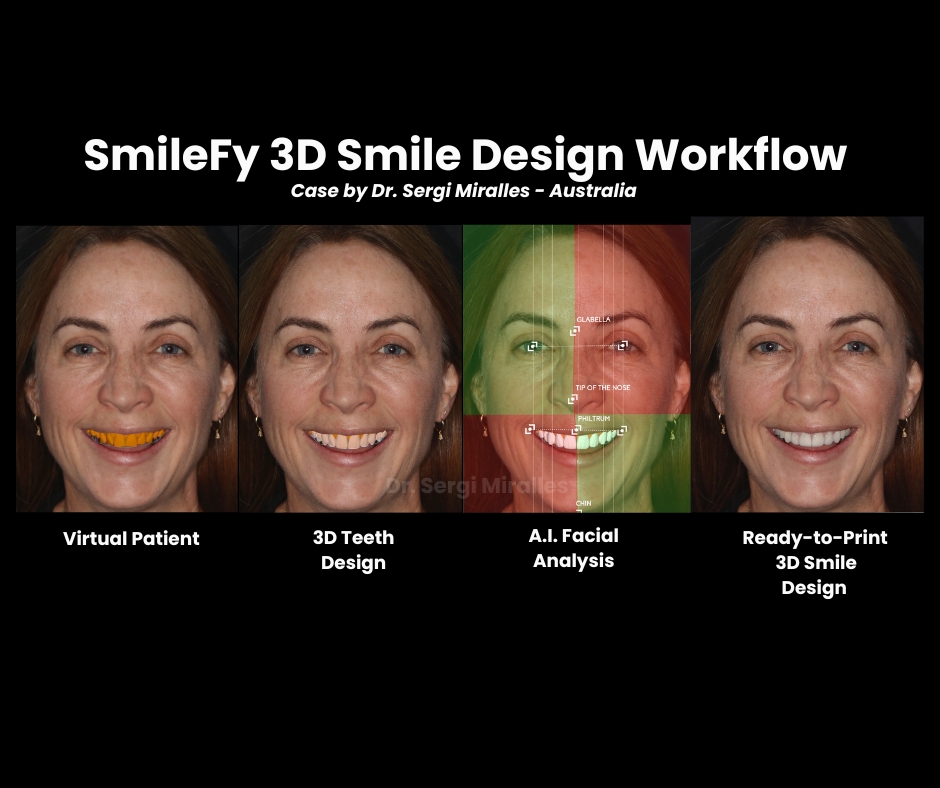
Patient Summary
Introduction
The 3D smile analysis process is essential for diagnosing, planning, treating, and proposing any dental treatment with aesthetic goals to the patient. Moreover, it facilitates communication between dentists and ceramists by improving their daily workflow, reduces the number of patient appointments, and improves the final fitting and aesthetics of the final restorations. This work aims to show how SmileFy Smile Design Software can assist doctors in delivering more predictable oral-facial outcomes by creating more balanced smiles in harmony with patients' facial features.
Case Presentation
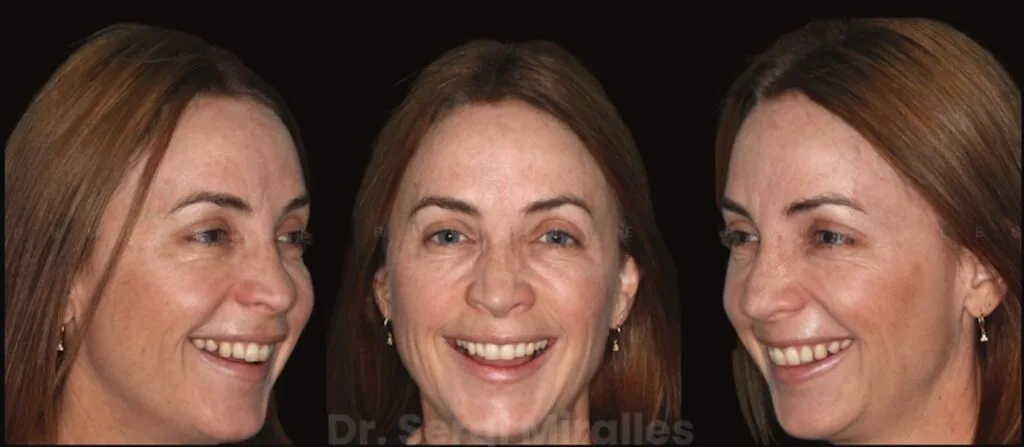
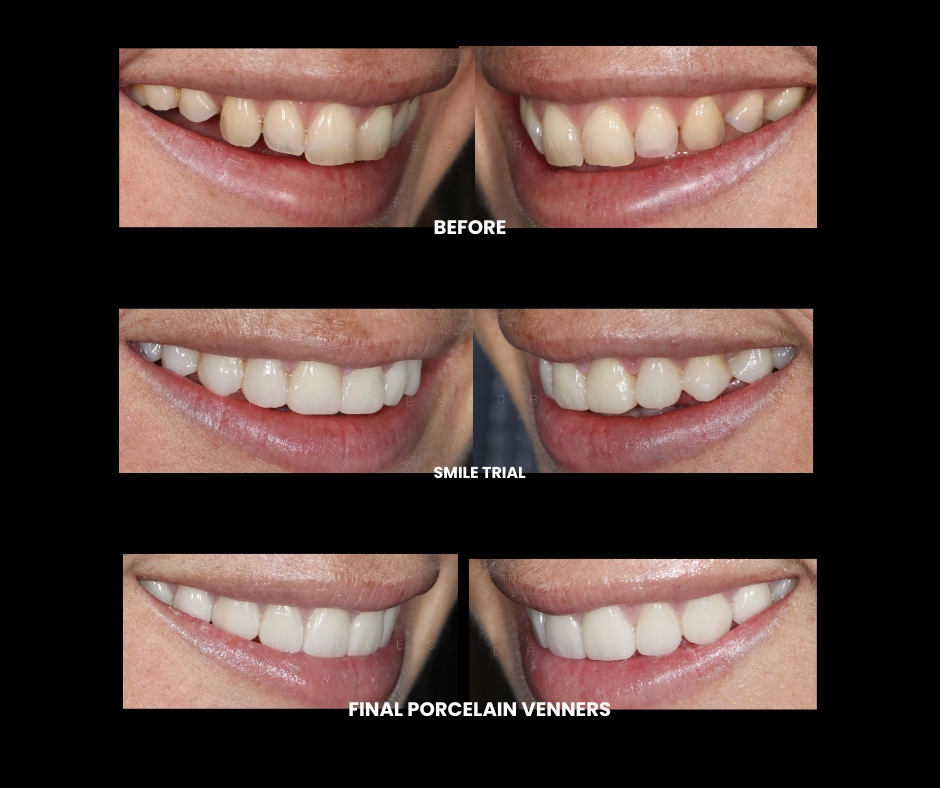
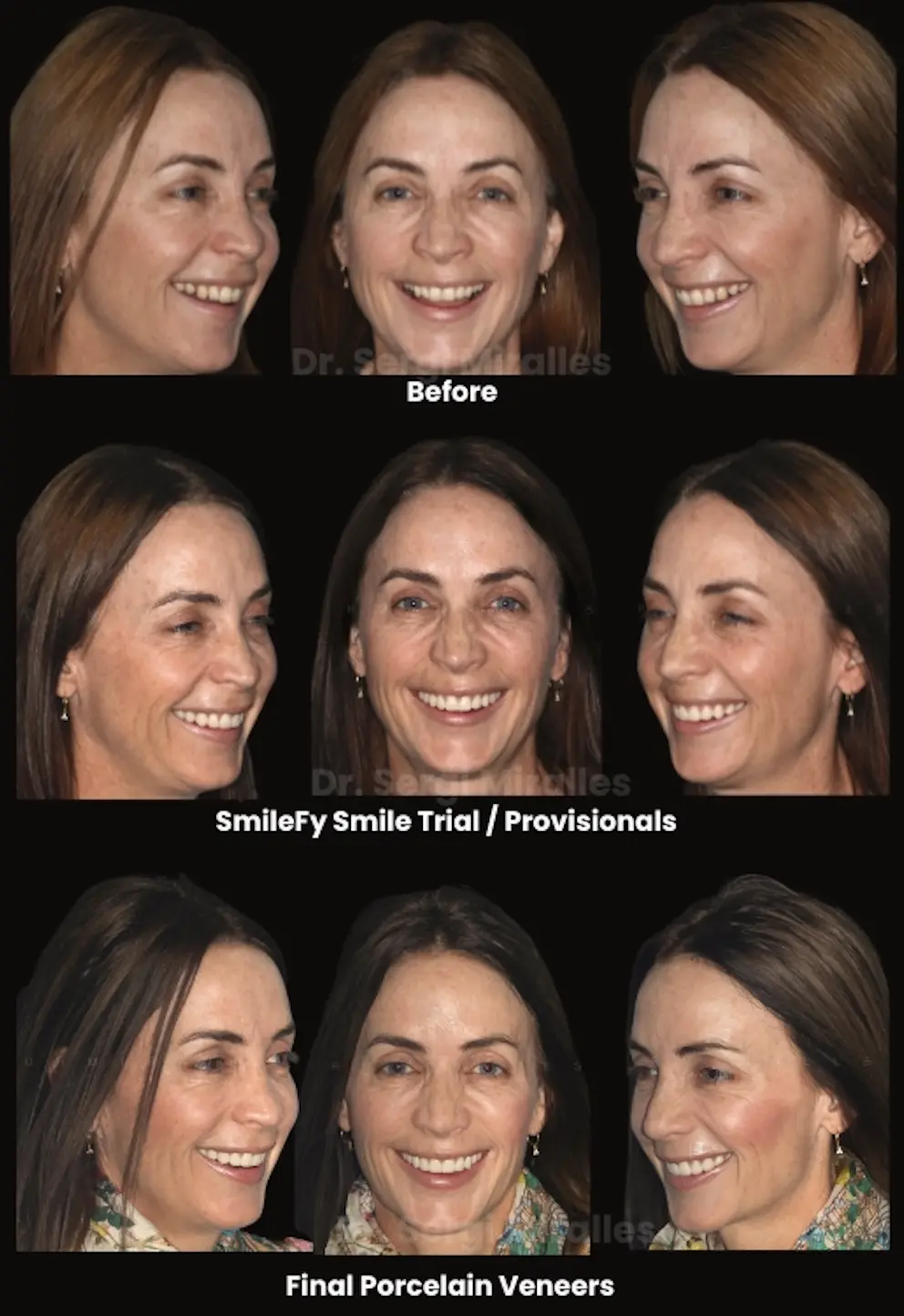
A middle-aged woman in good general health condition was referred to Dr. Sergi Miralles at the Perio Specialists & Dental Implants Practice (Gold Coast, Australia) for oral aesthetic rehabilitation. She was dissatisfied with her smile, essentially with the existing gaps on both sides and overall shade. She was also keen to improve her upper anterior teeth, which were slightly crooked, and her uneven smile line. She had no bite or any other functional issues.
First Consultation and AI Smile Simulation
A complete examination was performed, which included pre-operative teeth measurements, x-rays, clinical videos, photographic documentation, and digital impressions.
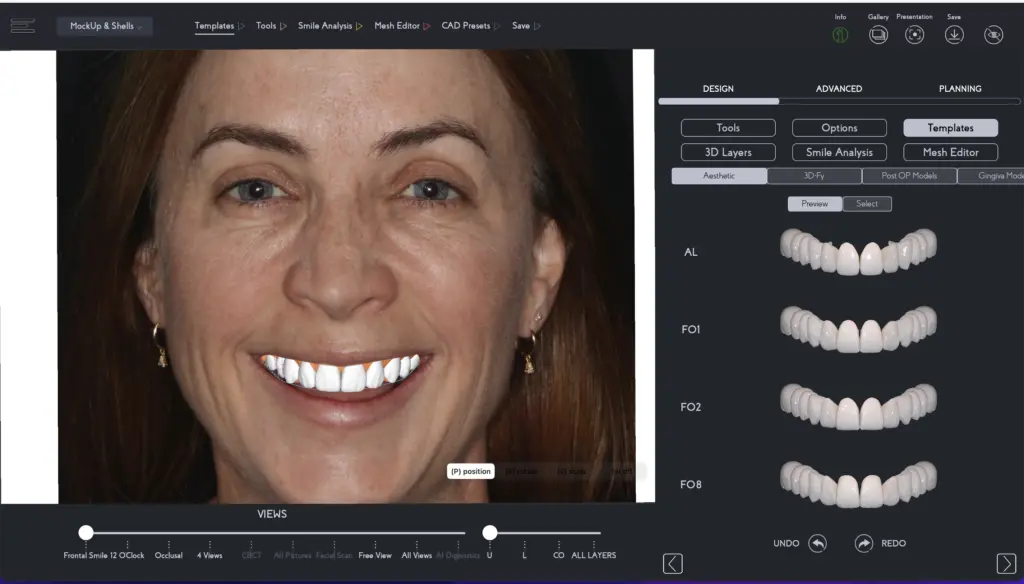
A real-time 2D SmileFy Smile Simulation was performed during the appointment to enhance communication between dentist and patient. This simulation uses natural teeth templates available in the software and overlays them onto a photo of the patient's face, allowing the team to present a proposed new smile and discuss treatment options, goals, number of appointments, and timing.
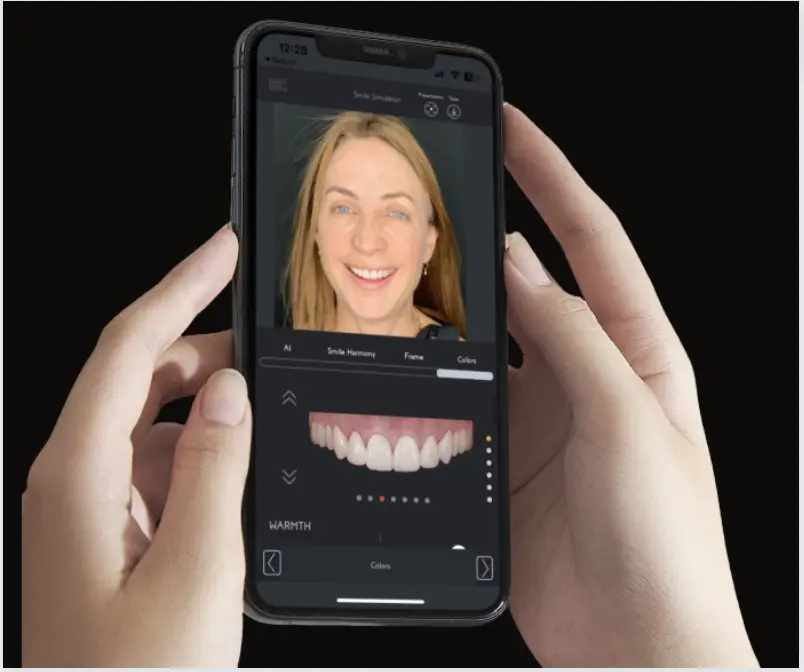
SmileFy uses artificial intelligence to build the smile simulation, facilitating and delivering the simulation process within seconds. Although the Smile Simulation cannot be used for the final treatment plan due to its two-dimensional limitations, it helps the dentist and patient deliver a first draft of the future smile and start drawing the details of the outcome to achieve.
Patient Reaction and Case Acceptance
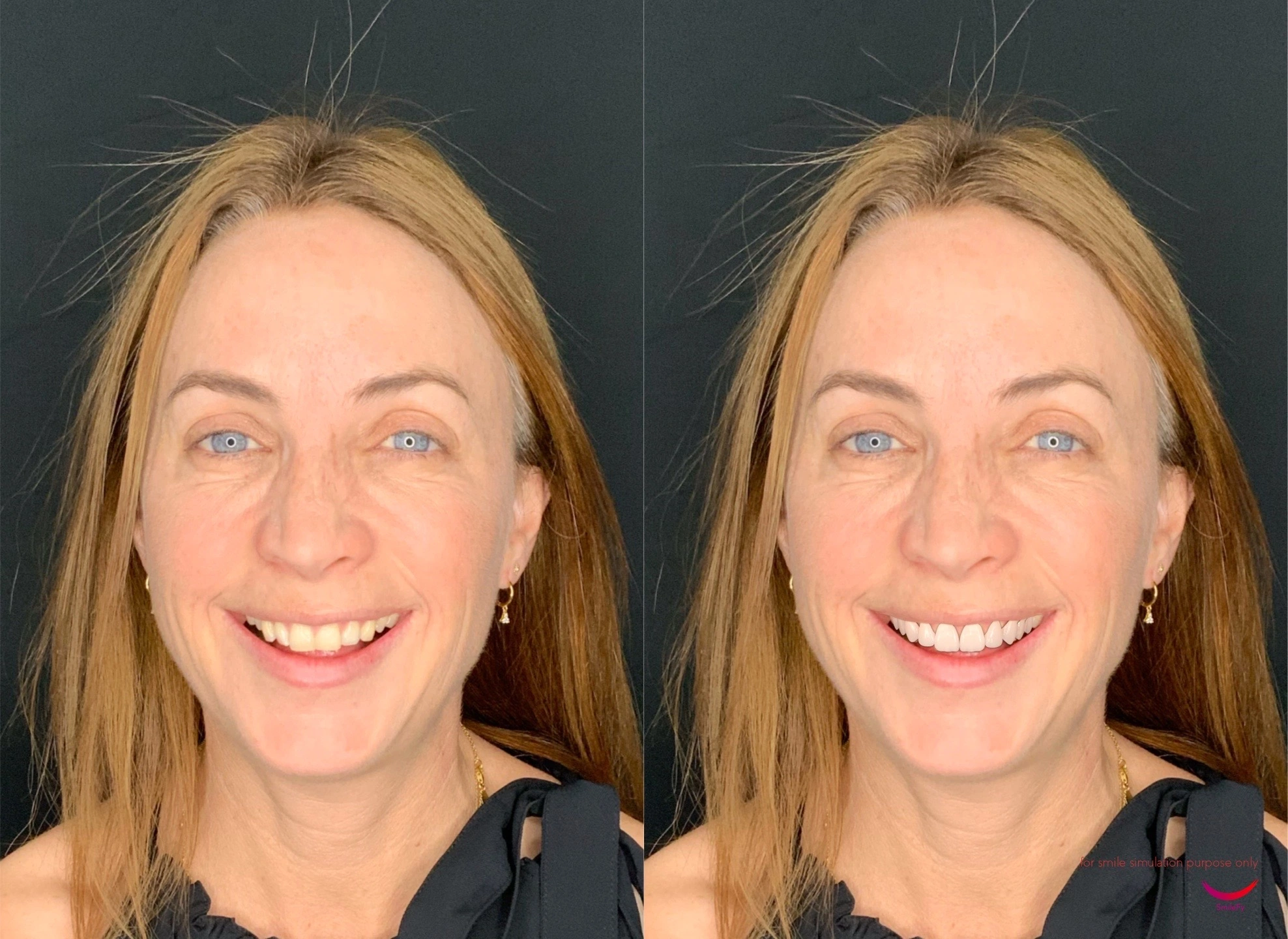
The patient needed to see a smile simulation to understand better all the improvements that could be made to achieve a much more balanced, whiter, and harmonious smile, which helped her visualize all the necessary work that would be done. As a result, 10 upper porcelain veneers were accepted immediately after proposing the treatment plan.
3D Analysis and Mockup Design
After a comprehensive evaluation of the periodontal tissues and gingival health, the patient was scanned intraorally, and new photographs were made. The 3D wax-up process then began with the following goals:
Reference tooth — The original right central incisor length was used as a reference
Gap closure — Teeth gaps had to be closed on both sides
Broadened proportions — The teeth proportions and smile needed to be broadened
Leveled smile line — The smile line had to be leveled up
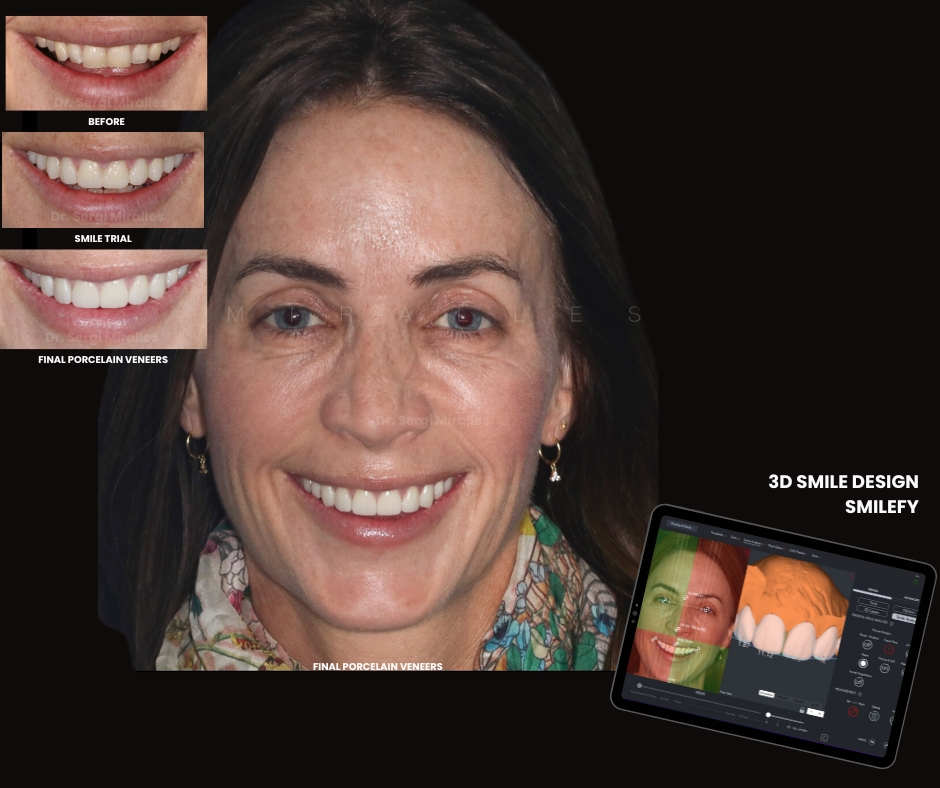
To create the final 3D Smile Design, a frontal facial smile picture and the intraoral scan were imported and calibrated into the SmileFy App. The calibrated .STL file was superimposed over the frontal facial smiling photo.
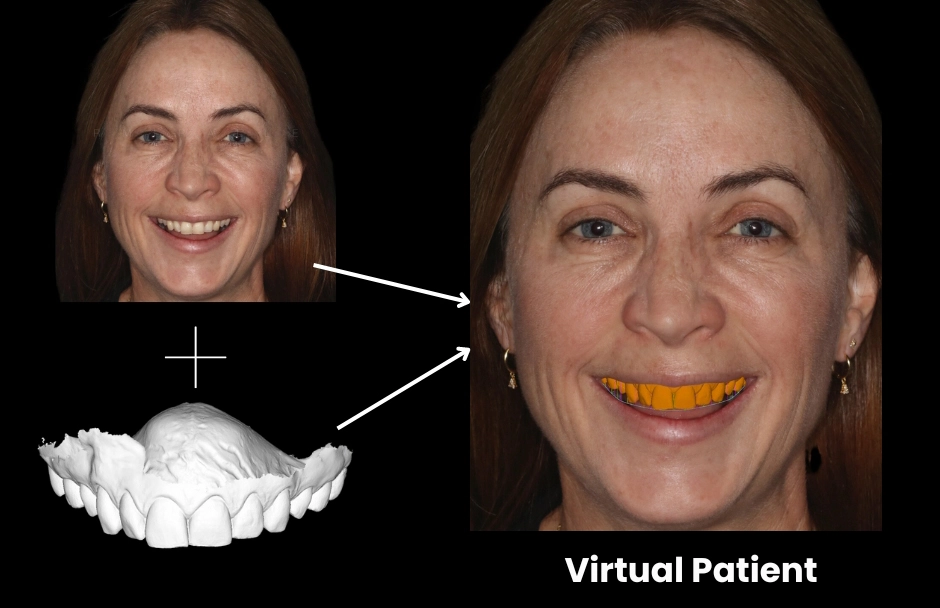
By using the recurring aesthetic dental (RED) proportion, the facial-guided smile frame was designed, and the following were planned using clinical findings as a reference to guide the 3D Smile Design.
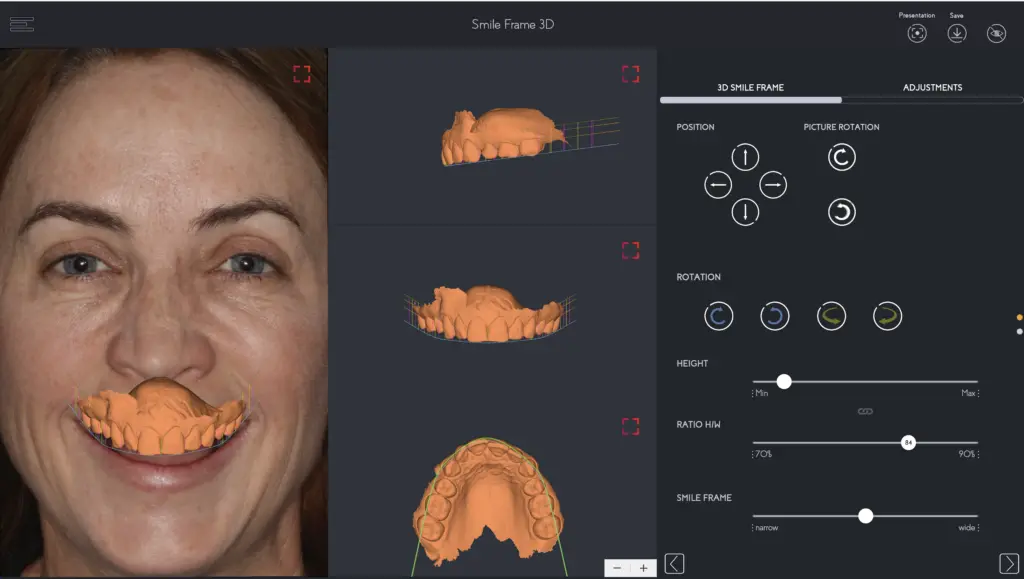
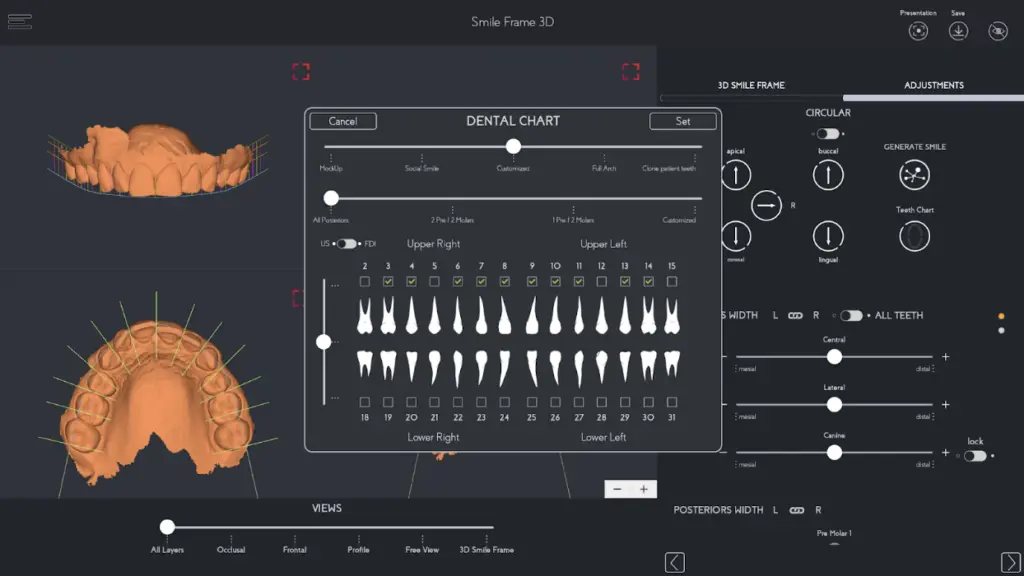
Teeth Selection and Virtual Try-On
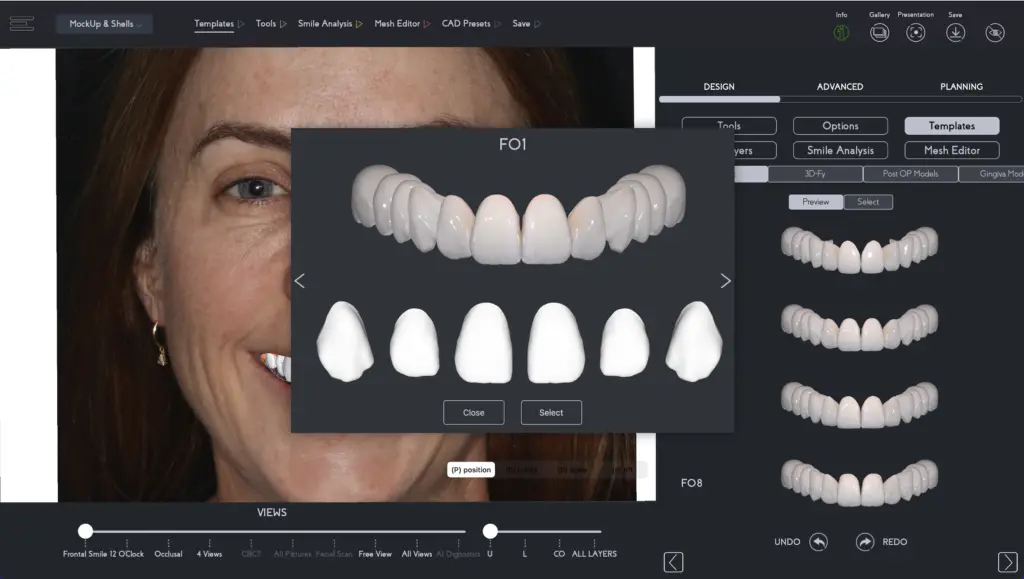
When it comes to teeth selection, SmileFy offers a wide variety of 3D natural teeth templates. You easily choose from the library, click on them, and virtually try them on the digital patient. This facilitates the workflow by enhancing the aesthetic portion of the treatment plan and reducing the need to redo work.
AI Facial Flow Analysis
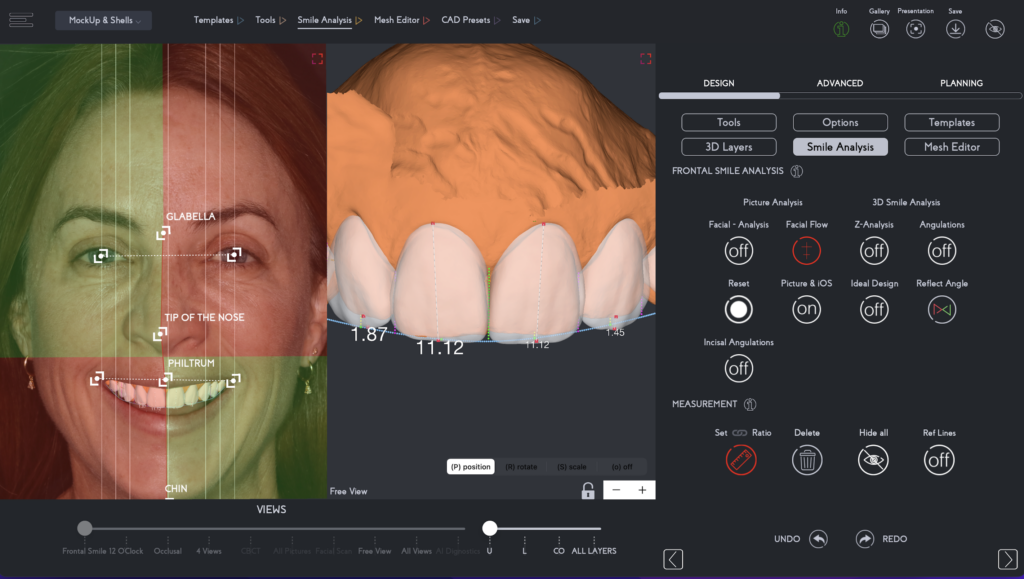
The application utilizes advanced AI technology to enhance the balance and symmetry of an individual's facial features. Through an in-depth analysis of a frontal facial photograph, dental professionals can establish a connecting line between specific points on the face — such as the glabella, nose bridge, philtrum, and chin — to determine the patient's facial flow and achieve optimal balance and harmony in their facial structures and smile.
Gingival Recontouring Planning
A gingivoplasty was performed to correct the gingival asymmetry affecting the upper incisors, and the buccal corridor was broadened, adding volume to the back teeth on both upper quadrants.
Digital Wax-Up
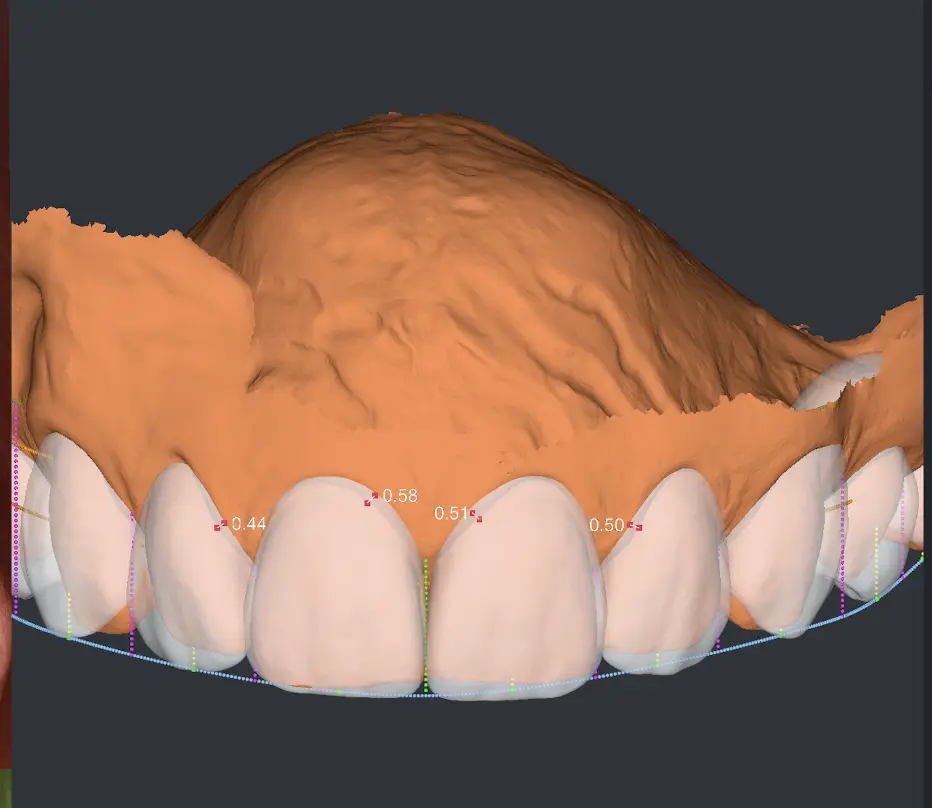
The digital wax-up was done on the original digital model using the mesh editor feature available on SmileFy to achieve the ideal position and shape of the future restoration and to guide the doctor on tooth preparation.
No limitations were found to be considered with her lower dentition.
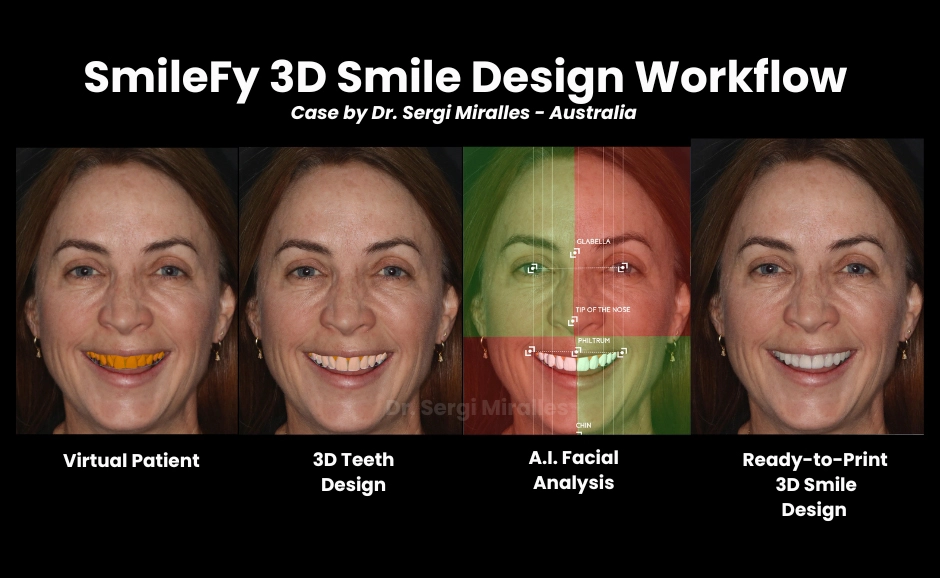
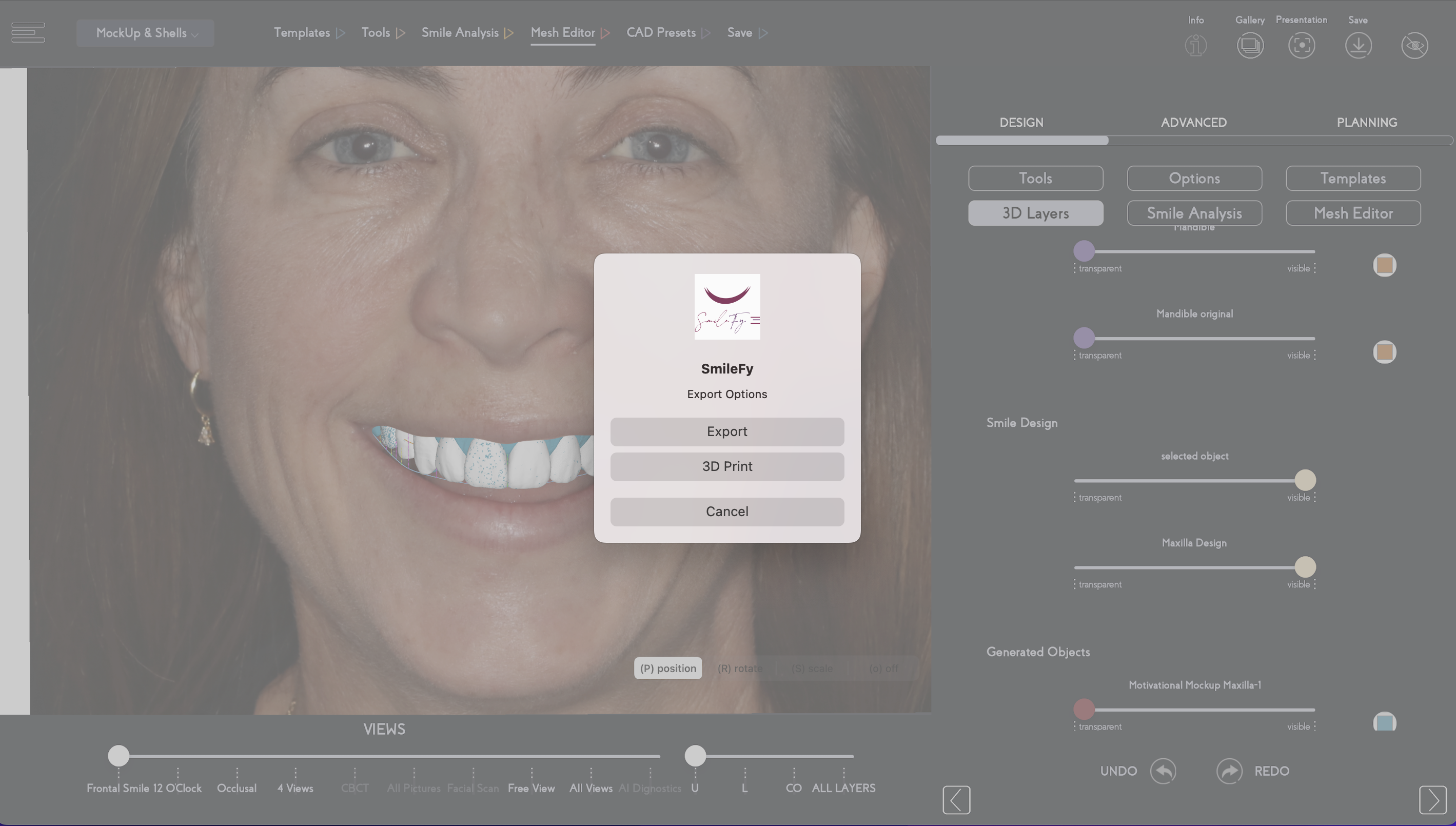
The files were exported as a 3D print-ready document (.stl file) and sent to printing.
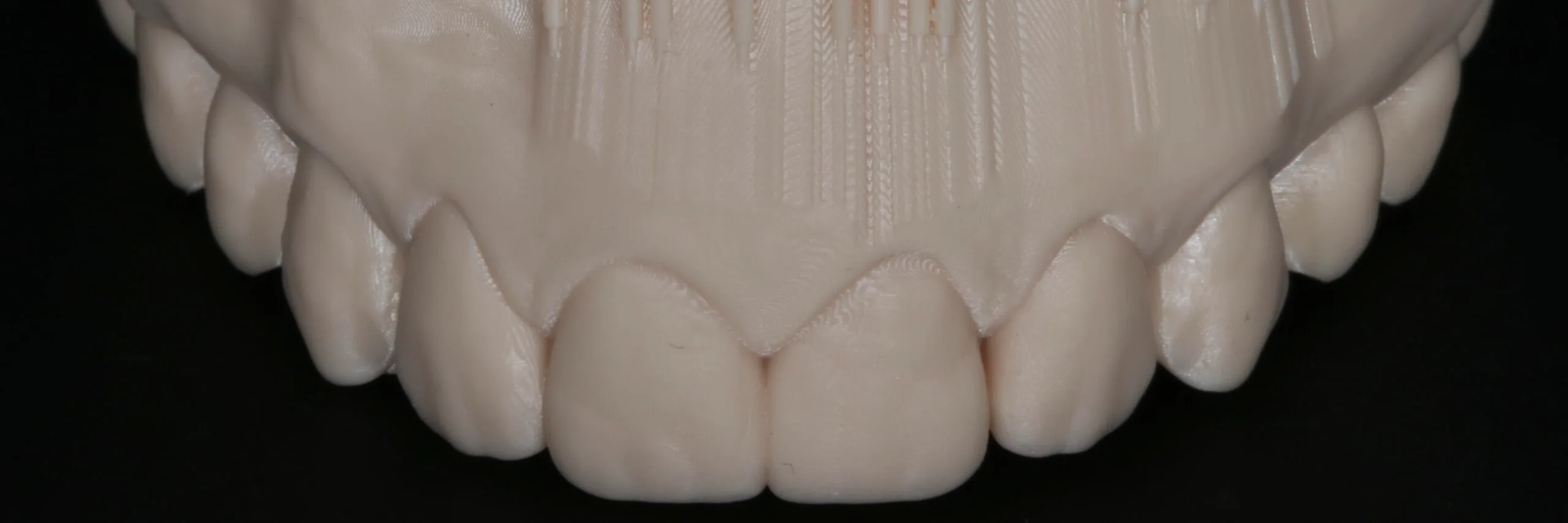
Printed Models and In-Mouth Smile Trial
A silicone key was fabricated to create a mock-up out of bis-acryl resin. The mock-up was placed onto the patient's teeth, and when shown to her, she expressed how satisfied she was with the aesthetics and natural look of her new smile.
Clinical Procedure
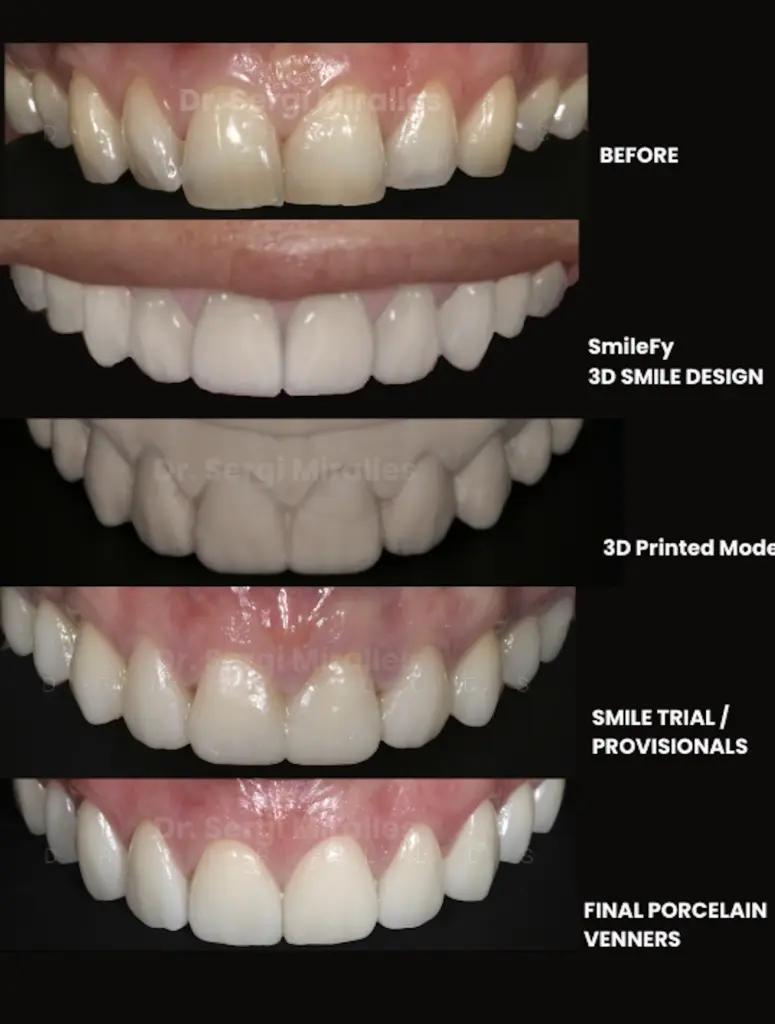
Based on the facially-guided digital design, the diagnostic wax-up guided a gingivoplasty on tooth 21 to achieve a better gingival margin position. Then, 10 upper anterior teeth were prepped, digital impressions were taken, and a set of temporaries were inserted. The diagnostic 3D wax-up was used as a guide to place the provisional veneers.
After a quick recovery period, the gums and temporaries were re-assessed. No adjustments were needed, and a final teeth impression was taken before hand-crafting the final porcelain veneers.
To better collaborate with the dental technician, the following documents were exported from the SmileFy app and sent to the dental laboratory:
Initial documentation — All pictures and clinical measurements
2D Smile simulation — Simulation image for visual reference
3D teeth templates — Shapes overlapped on her teeth as digital files
3D wax-up files — Complete digital wax-up for fabrication guidance
Veneer Delivery
The 10 anterior porcelain veneers were delivered to the dental practice based on the 3D teeth templates and mockup files exported from the SmileFy App. The porcelain veneers and prepped teeth were conditioned in accordance with the manufacturer's instructions and treated following an adhesive cementation protocol. The occlusion was evaluated, and final polishing was performed.
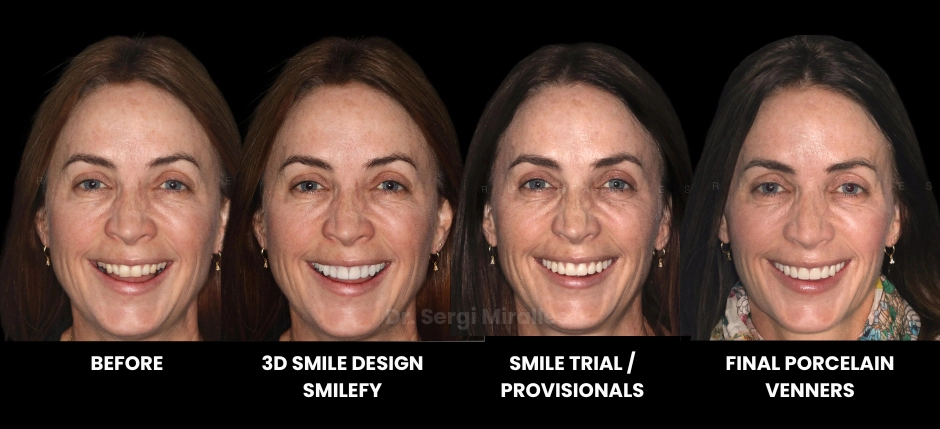
A follow-up appointment was booked a week after to assess any potential post-operative symptoms, gum health status, and occlusion stability. A night guard was inserted, and final pictures were taken.
The patient was given the necessary post-operative instructions. The patient was satisfied with the final outcome, and the case was considered completed.
Patient Satisfaction
"The patient was really happy with the results and the overall experience. After seeing the temporaries and the 3D wax-up, she emphasized how predictable the final result was. After the follow-up appointment where the temporaries were reviewed, she went for an almost 2-week cruise around some Pacific islands and had no functional nor aesthetic issues whatsoever." — Dr. Sergi Miralles
Conclusion
SmileFy is a world-renowned software available to every dentist who wants to elevate his/her dental workflows and patients' experiences. With one purpose in mind, the SmileFy App helps doctors worldwide achieve better outcomes through facially generated smile designs and printable mockups as an essential tool to guide them and their dental technicians and, most importantly, to deliver an outstanding patient experience.
Key Takeaways
Complete digital workflow — From AI smile simulation through 3D design, mockup trial, and final porcelain veneer delivery, all managed within SmileFy
Enhanced lab communication — Exported 3D files, templates, and wax-ups streamline collaboration with dental technicians
Predictable outcomes — The 3D wax-up and printed mockup trial allowed the patient to preview and approve her future smile before any irreversible procedure
Facial-guided design — RED proportion analysis and AI facial flow ensure restorations harmonize with overall facial aesthetics
Immediate case acceptance — Real-time chairside smile simulation dramatically improved patient understanding and confidence in the treatment plan
About the Author
Dr. Sergi Miralles
Perio Specialists & Dental Implants Practice — Gold Coast, Australia
Dr. Sergi Miralles is a specialist in periodontics and implant dentistry based at Perio Specialists & Dental Implants Practice on the Gold Coast, Australia. He is recognized for integrating advanced digital workflows including SmileFy's AI-driven smile design into comprehensive aesthetic rehabilitation cases, delivering predictable and patient-centered outcomes.
Ready to Transform Your Practice?
See how SmileFy can help you achieve predictable, beautiful results for every patient.