AI-Guided Smile Design in Multi-Disciplinary Dental Treatments
Dr. Pietro Sibilla
Studio Associato Rea-Sibilla — Italy
Patient Summary
Introduction
This educational case report explores the significance of using smile design and a motivational mock-up as a pre-treatment tool in complex multi-disciplinary procedures, including orthodontics. The mock-up serves as a crucial communication bridge between the dentist and the patient, facilitating informed decision-making and providing a clear visualization of potential aesthetic outcomes.
The integration of artificial intelligence into dental treatment planning offers transformative possibilities for achieving predictable aesthetic results. SmileFy's advanced tools enhance communication, bolster patient confidence, and minimize uncertainties during the treatment journey, particularly for patients with high aesthetic demands.
Case Presentation
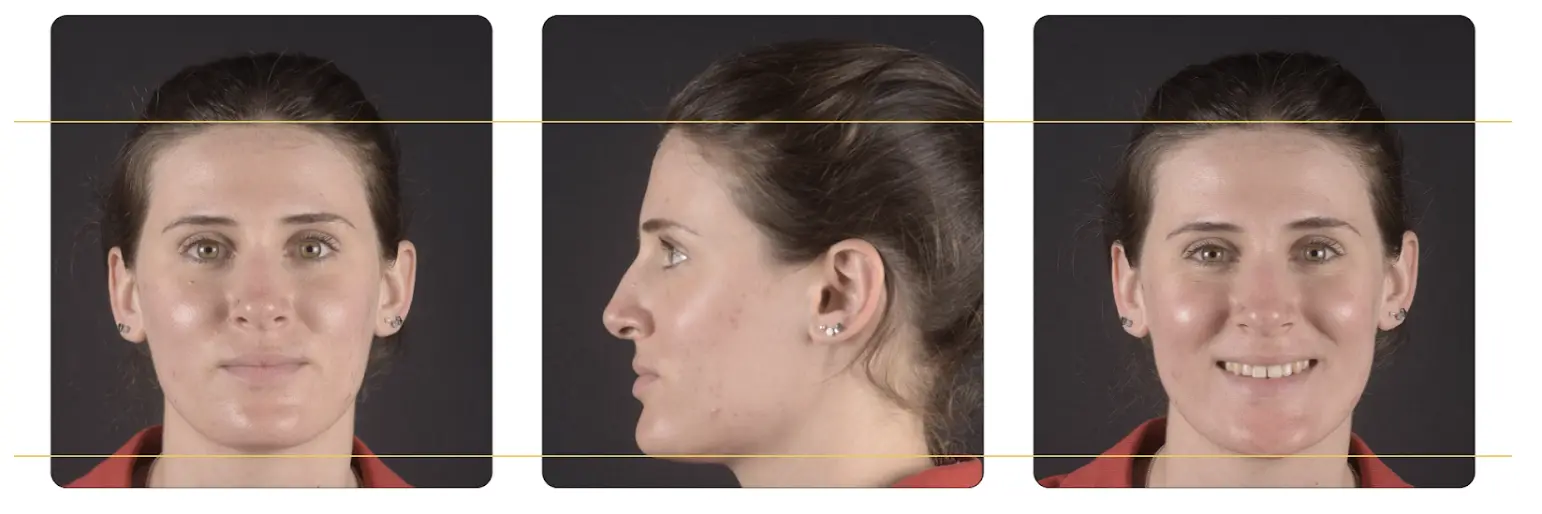
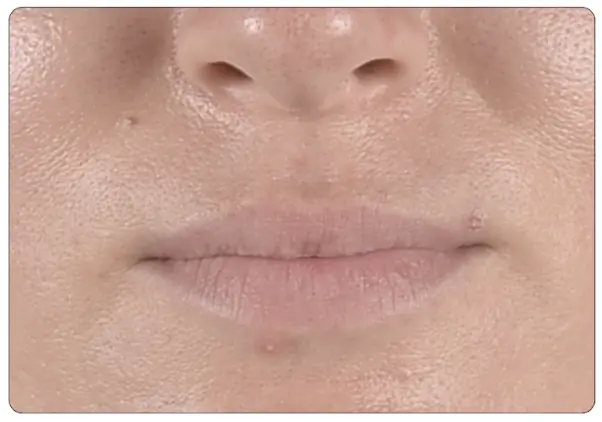
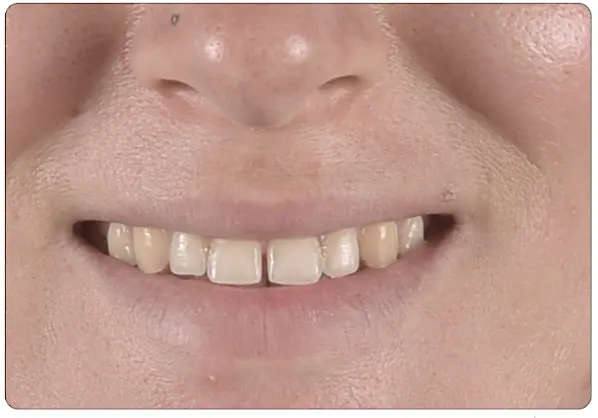
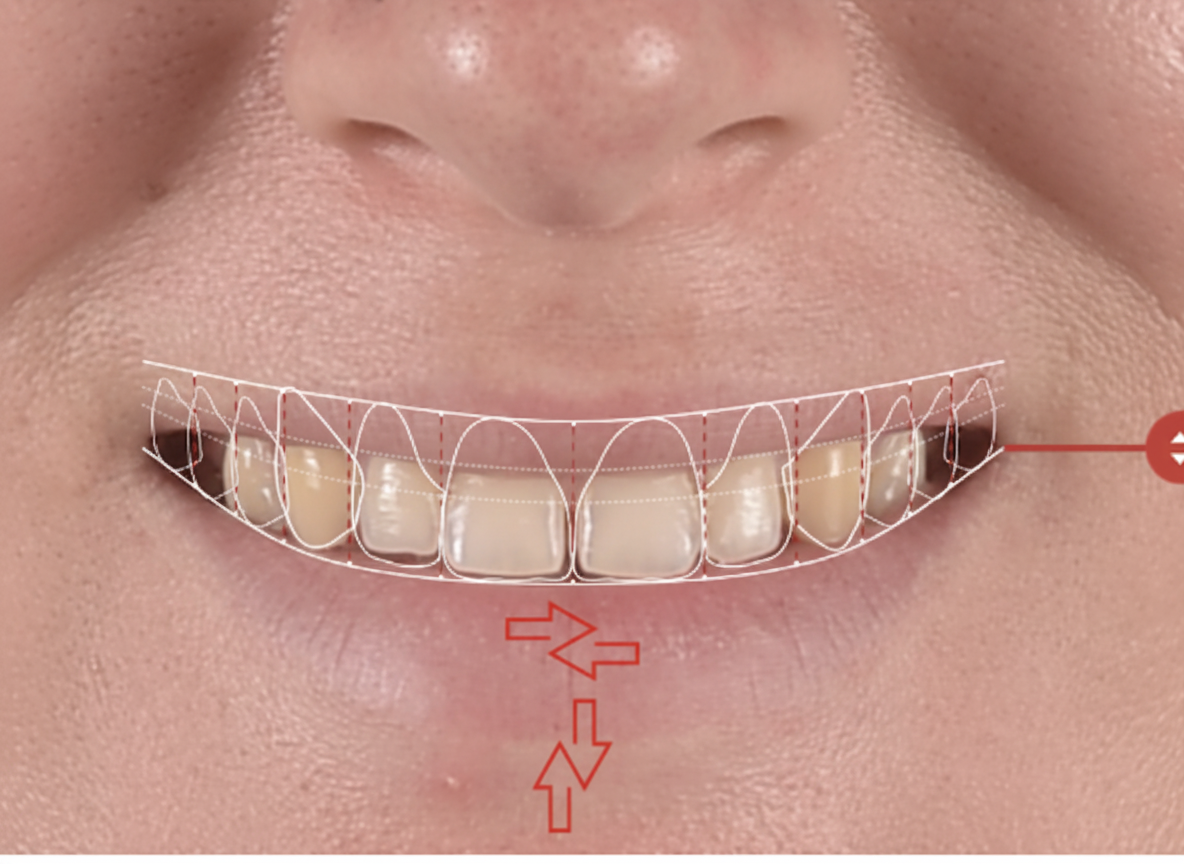
A young adult female patient presented at the practice with concerns about a midline diastema shifted slightly to the right, and discolored teeth. The patient expressed a desire for a harmonious, natural-looking smile that would address both alignment and colour issues.
Initial Consultation and AI-Guided Smile Simulation
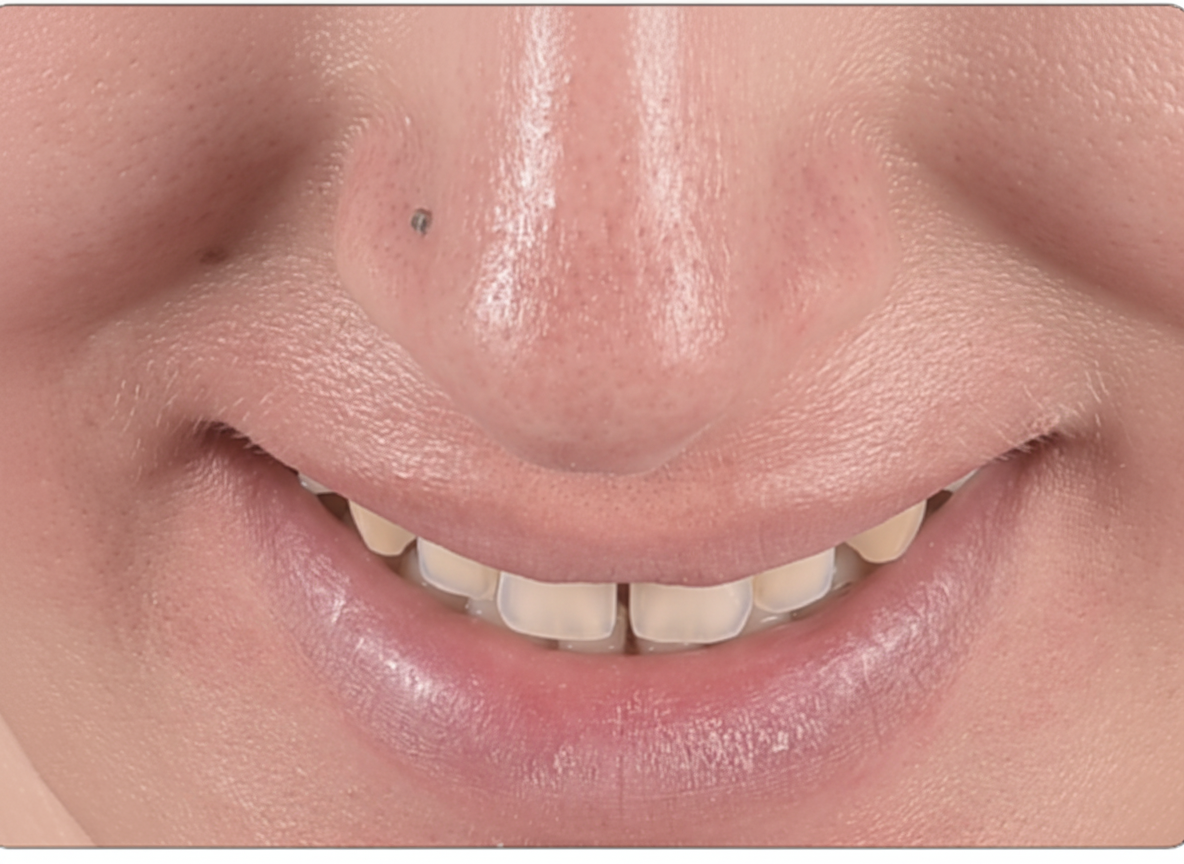
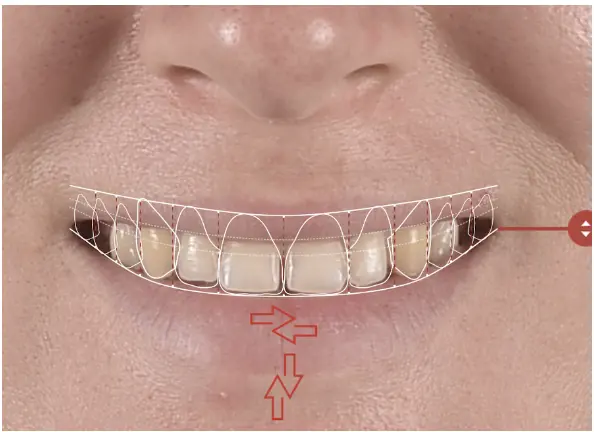
A comprehensive clinical examination was conducted during her first visit, and a high-resolution photograph of her smile was captured. Utilizing AI technology, a chairside Smile Simulation was generated. This simulation allowed for an interactive discussion about possible aesthetic enhancements tailored to her preferences, motivating the patient to proceed with treatment.
Treatment Planning and Digital Workflow
Considering the patient's primary complaints and clinical findings, a 3D smile design was proposed to harmonize her smile with better proportions, texture, and a lighter shade. A digital impression of the upper and lower arch was made with an intraoral scanner to begin the 3D smile planning.
Automated AI Design — Occlusal Curve Analysis
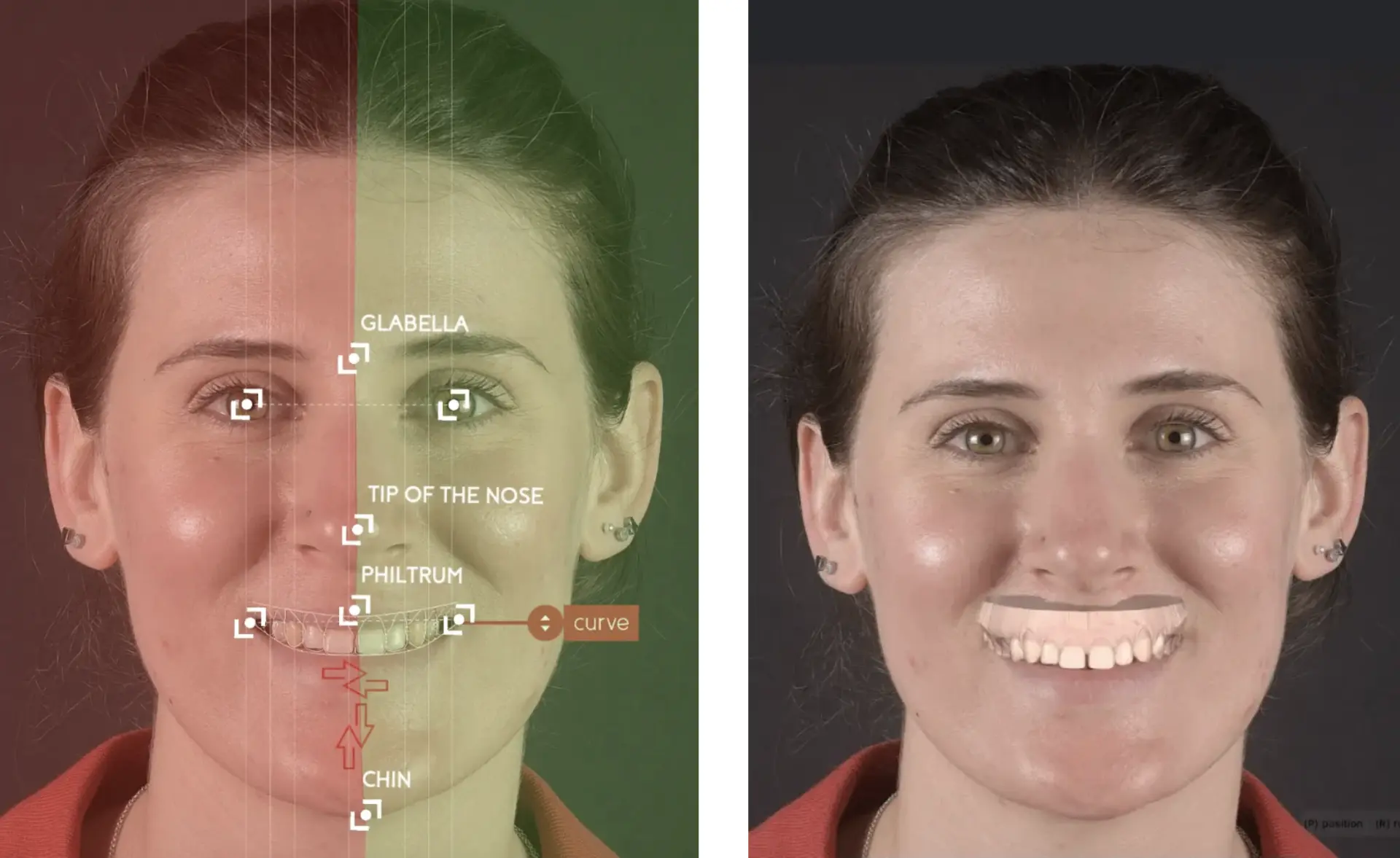
To begin the 3D Smile Design planning, the patient's upper intraoral scan (.stl file) was superimposed onto the picture to deliver a facially driven design approach.
The artificial intelligence system automatically sets the occlusal curve based on the current patient's teeth. The occlusal curve, indicated by the green line, guides the placement of the incisal edge in the future 3D design, according to the Recurring Aesthetic Dental Proportions (RED Proportions).
The dentist or smile designer can choose between two options:
Ideal Curve — This option ensures symmetry on both sides of the patient's dental arch.
Match Patient — This option preserves the patient's existing occlusal curve.
3D Mock-Up Design and SmileFy Application
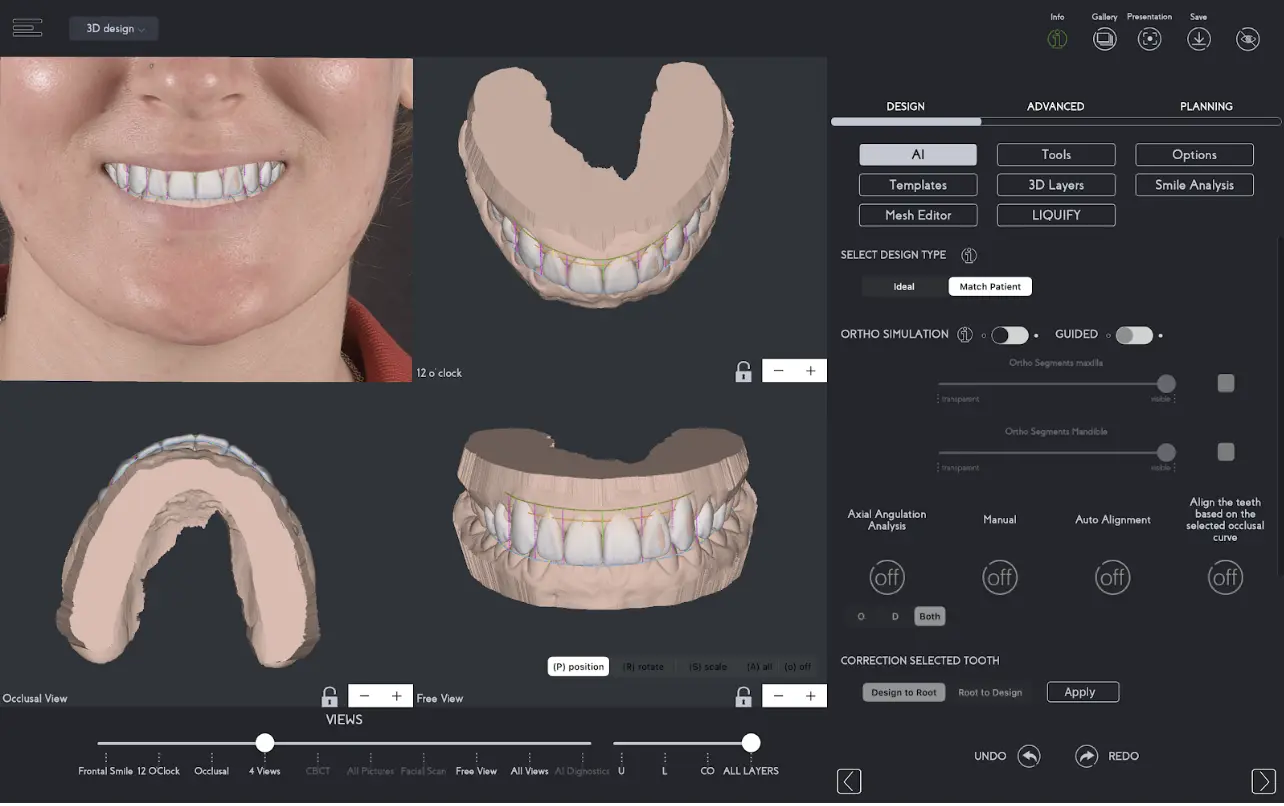
The SmileFy platform was used to select from various tooth shapes, which were virtually placed over the patient's photographs and intraoral scans for an integrated facial and dental evaluation. Adjustments to interproximal spaces and fine-tuning of the design were made using the AI tool Liquify and various brushing tools. The finalized design was exported, and a model was printed for a physical smile trial during her subsequent visit.
Patient Outcome and Feedback
The patient was highly impressed with the visible improvements in her smile and the streamlined treatment process, which increased her confidence in proceeding with the proposed orthodontic treatment. The treatment is ongoing, with minimal invasiveness being a key aspect.
Conclusion
This case exemplifies the efficacy of integrating AI-driven digital workflows in dental practice, enhancing patient communication, and achieving precise aesthetic outcomes. Dentists are encouraged to consider such digital tools to optimize treatment planning and patient satisfaction in multi-disciplinary dental care.
Key Takeaways
AI-driven smile simulation — Provides immediate, chairside visualization that facilitates engaging patient conversations and boosts case acceptance rates.
Motivational mock-ups — Serve as a crucial communication bridge between dentist and patient, transforming abstract treatment plans into tangible previews.
Facially driven design approach — Superimposing intraoral scans onto facial photographs ensures designs harmonize with overall facial aesthetics.
Automated occlusal analysis — AI-powered curve detection guides precise incisal edge placement based on established aesthetic proportions.
Multi-disciplinary integration — Digital workflows seamlessly connect orthodontic, restorative, and aesthetic treatment phases under a unified design framework.
This case highlights how AI-guided digital tools can transform complex multi-disciplinary treatments into predictable, patient-centred experiences.
About the Author
Dr. Pietro Sibilla
Studio Associato Rea-Sibilla — Italy
Dr. Pietro Sibilla is a dentist based in Italy at Studio Associato Rea-Sibilla. His clinical practice focuses on integrating AI-driven digital workflows into multi-disciplinary dental treatments. This educational case report demonstrates his approach to using smile design and motivational mock-ups as pre-treatment communication tools, facilitating informed decision-making and providing patients with clear visualization of potential aesthetic outcomes.
Ready to Transform Your Practice?
See how SmileFy can help you achieve predictable, beautiful results for every patient.