The Integration of Artificial Intelligence into Restorative Treatment Planning
Dr. Abdelrahman Afia
AI & Digital Dentistry Instructor, MSc Periodontology — Egypt
Patient Summary
Introduction
The integration of artificial intelligence into dental treatment planning offers transformative possibilities for achieving predictable aesthetic results. SmileFy's advanced tools enhance communication, bolster patient confidence, and minimize uncertainties during the treatment journey, particularly for patients with high aesthetic demands.
By employing AI-driven workflows, dental professionals can tailor treatment plans to each patient's unique facial and dental characteristics, significantly improving the predictability of outcomes and overall satisfaction.
Case Presentation
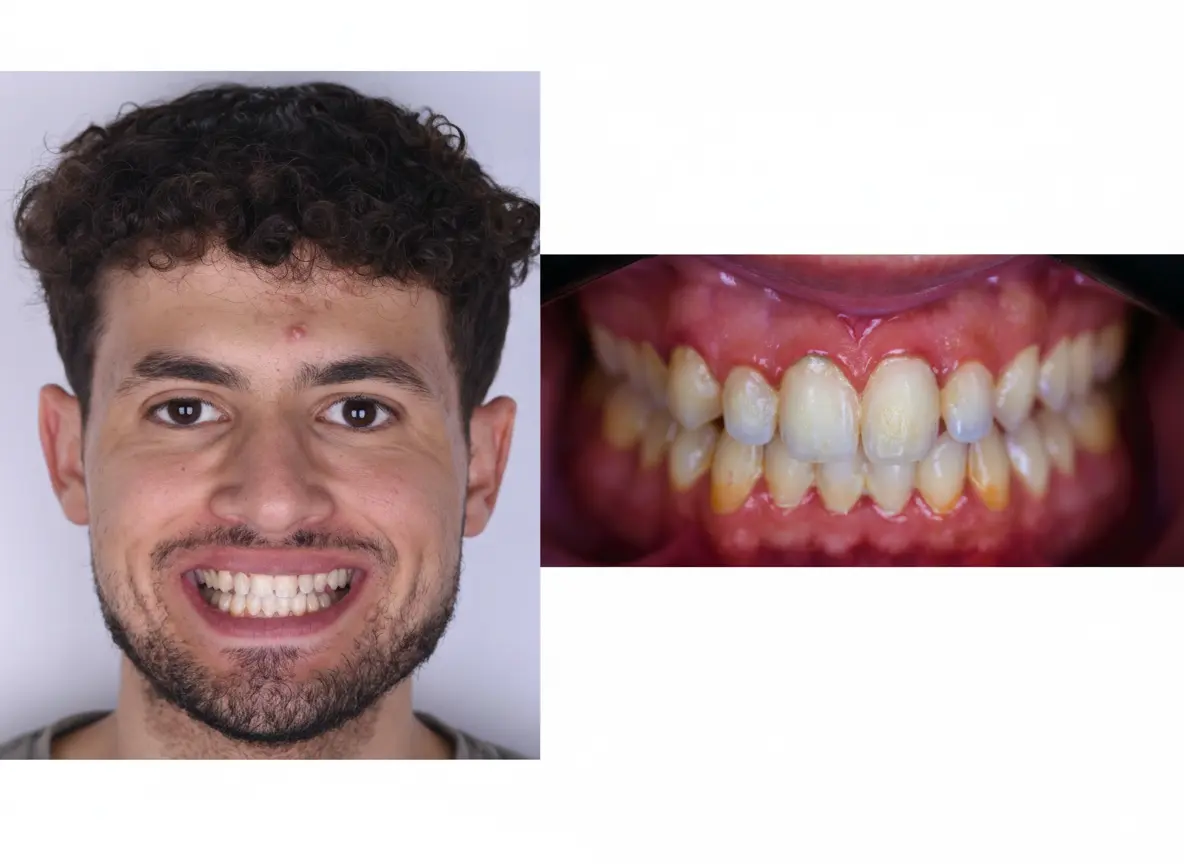
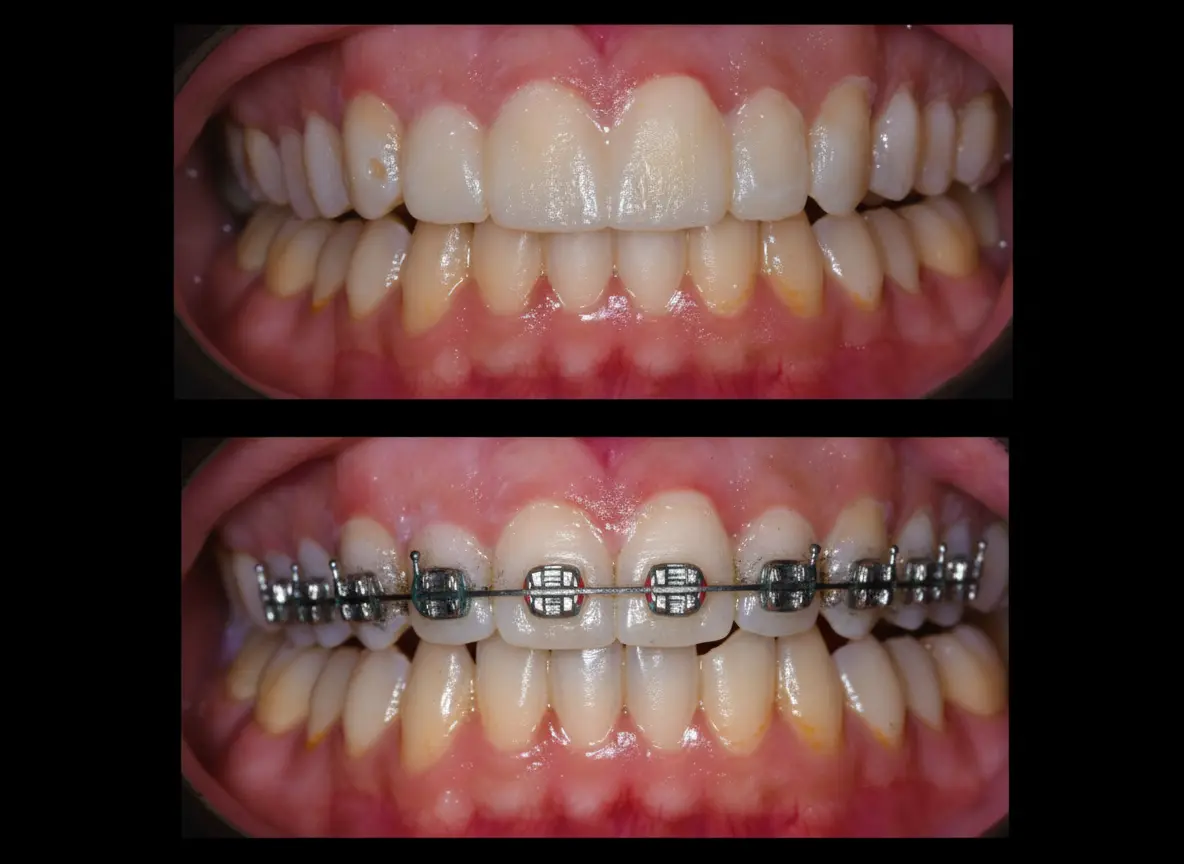
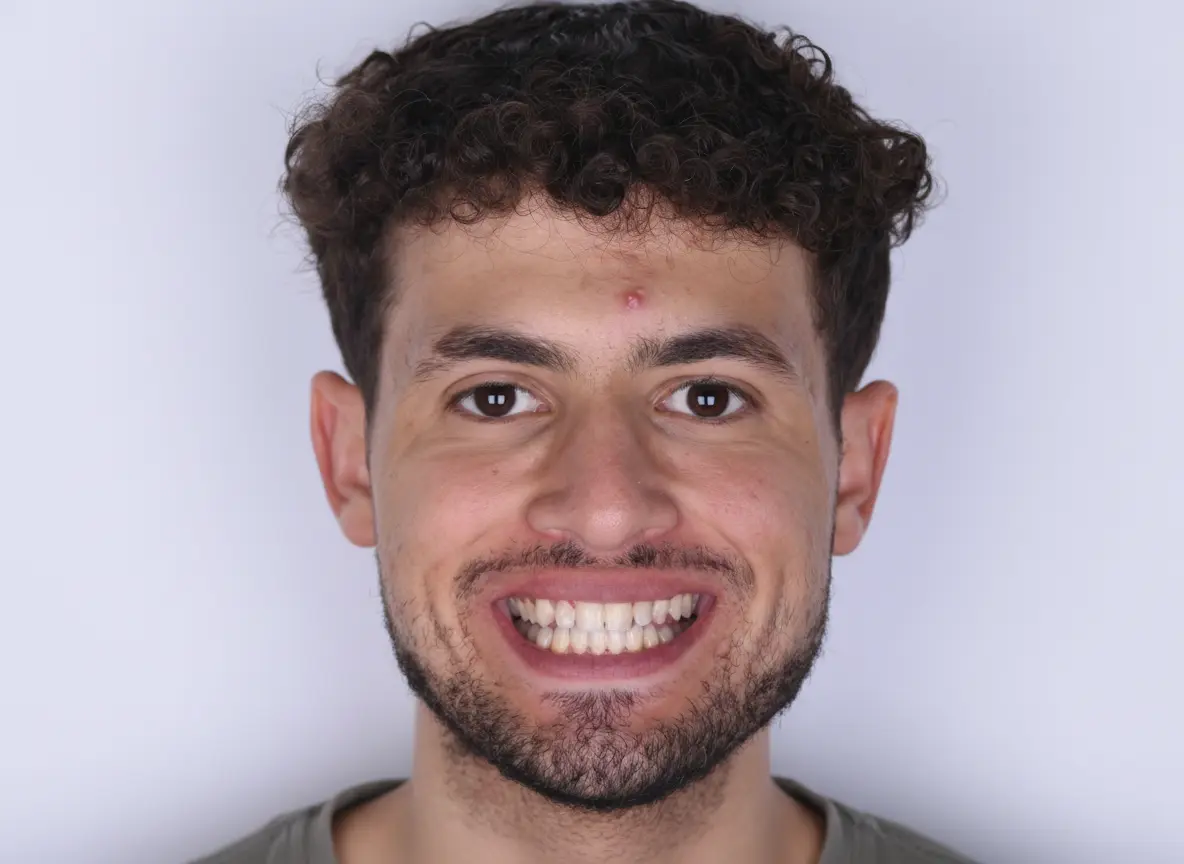
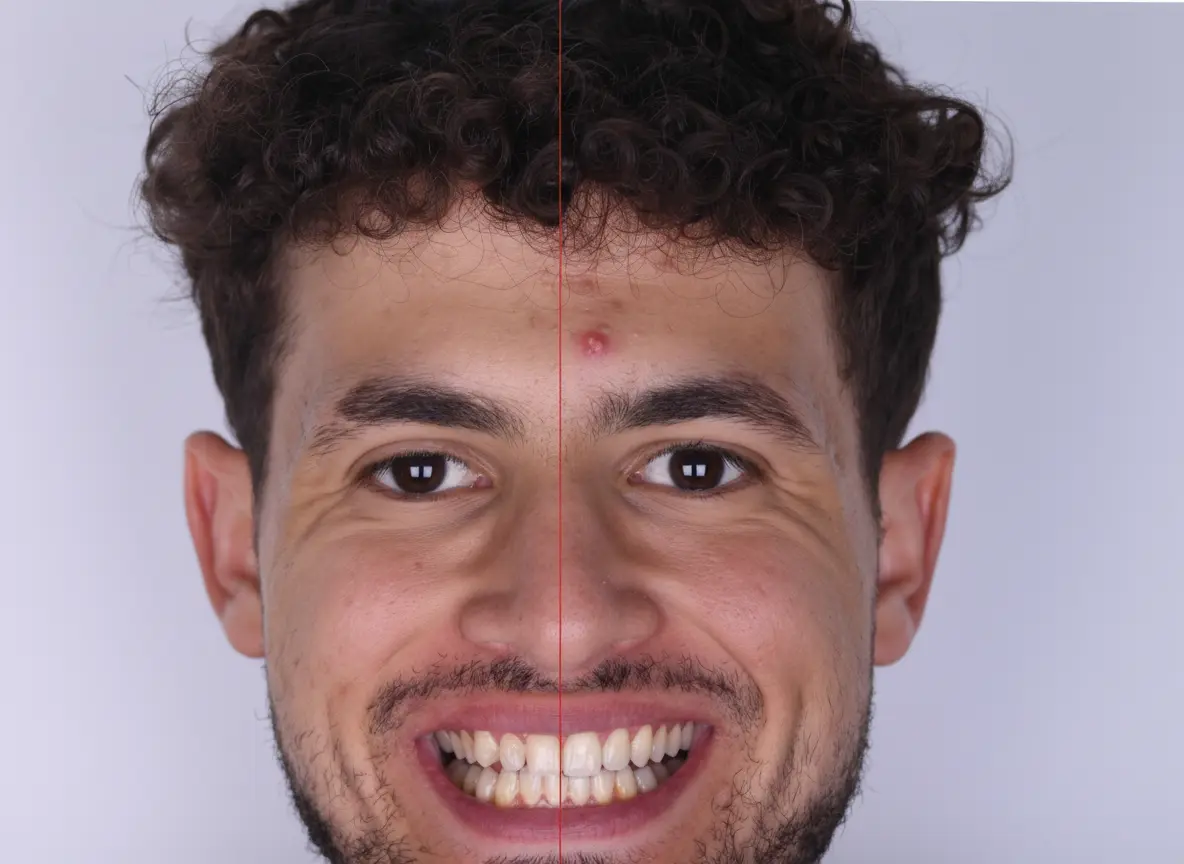
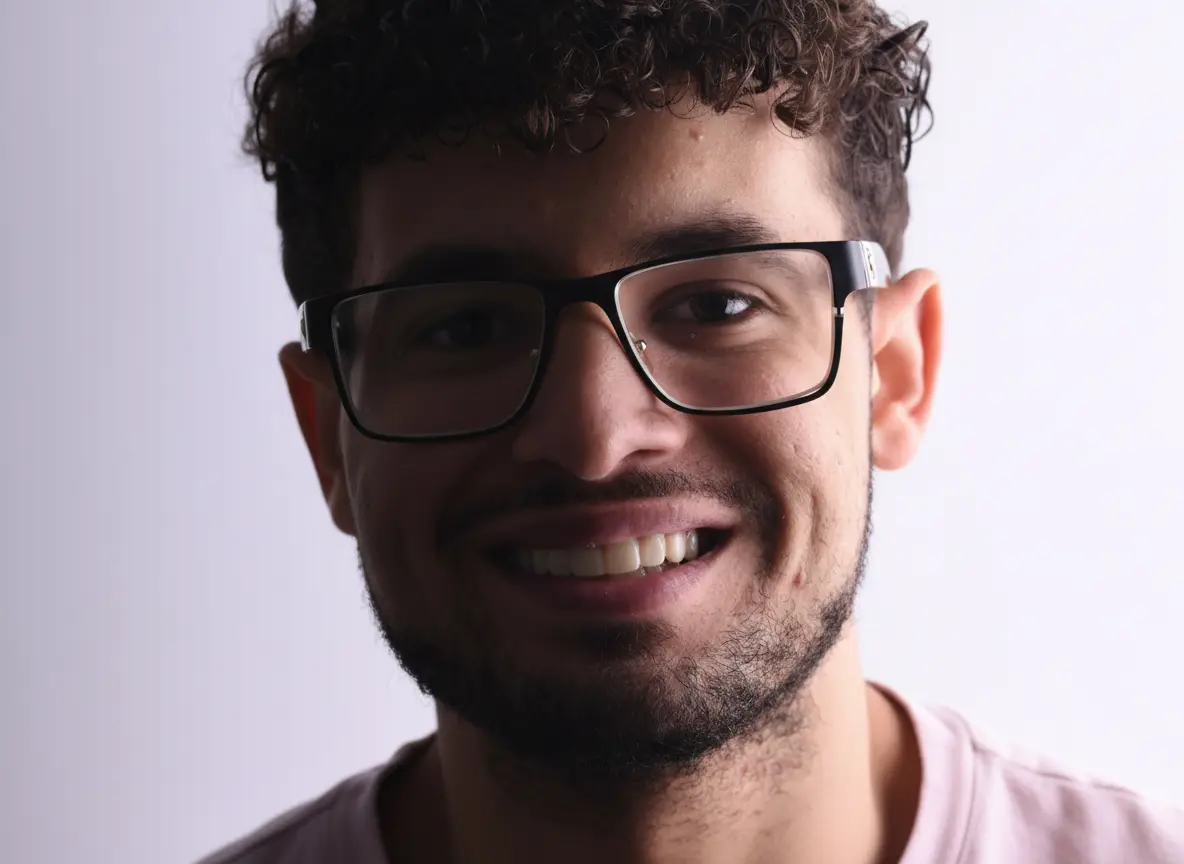
A young adult male presented with the following aesthetic concerns: noticeable spacing between teeth, discoloration, chipped enamel, and unsatisfactory tooth shape and form. The patient expressed a strong desire for a natural, harmonious smile that would address all of these issues simultaneously.
First Appointment — Initial Assessment and AI Smile Simulation
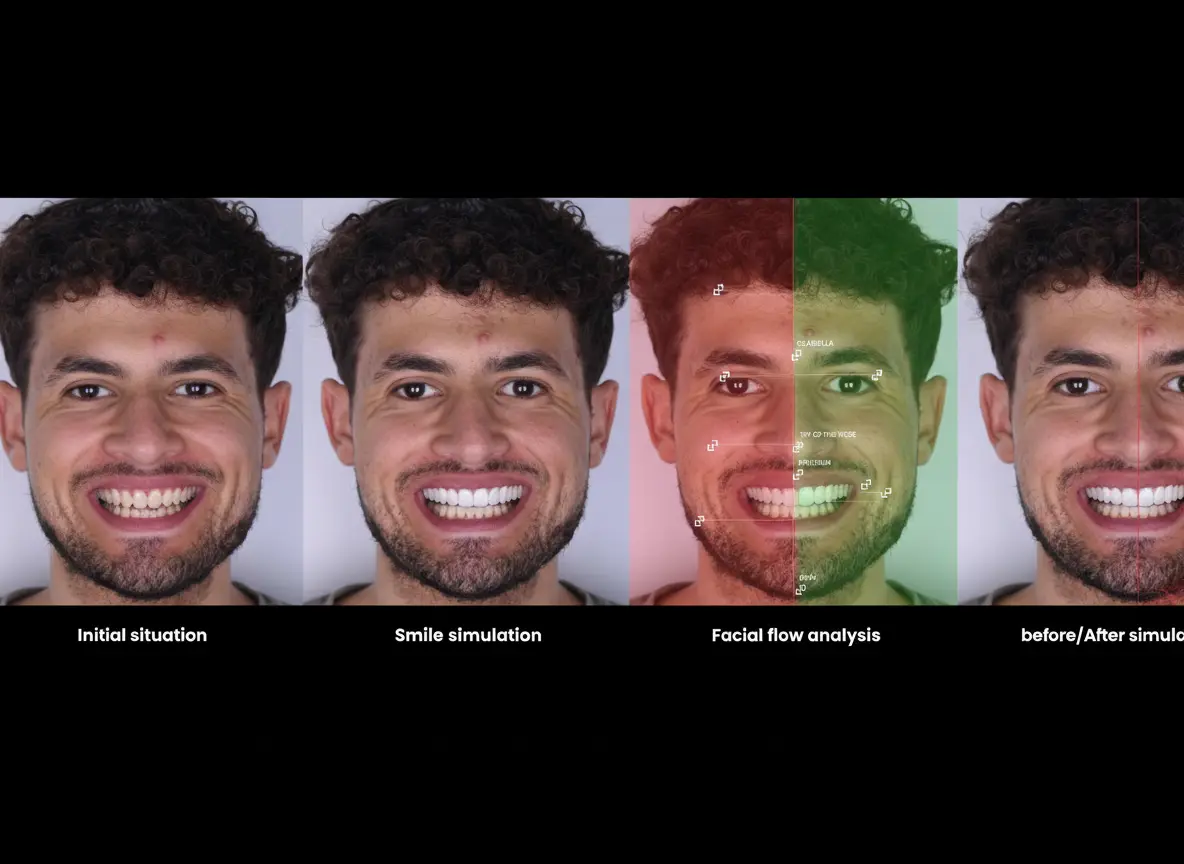
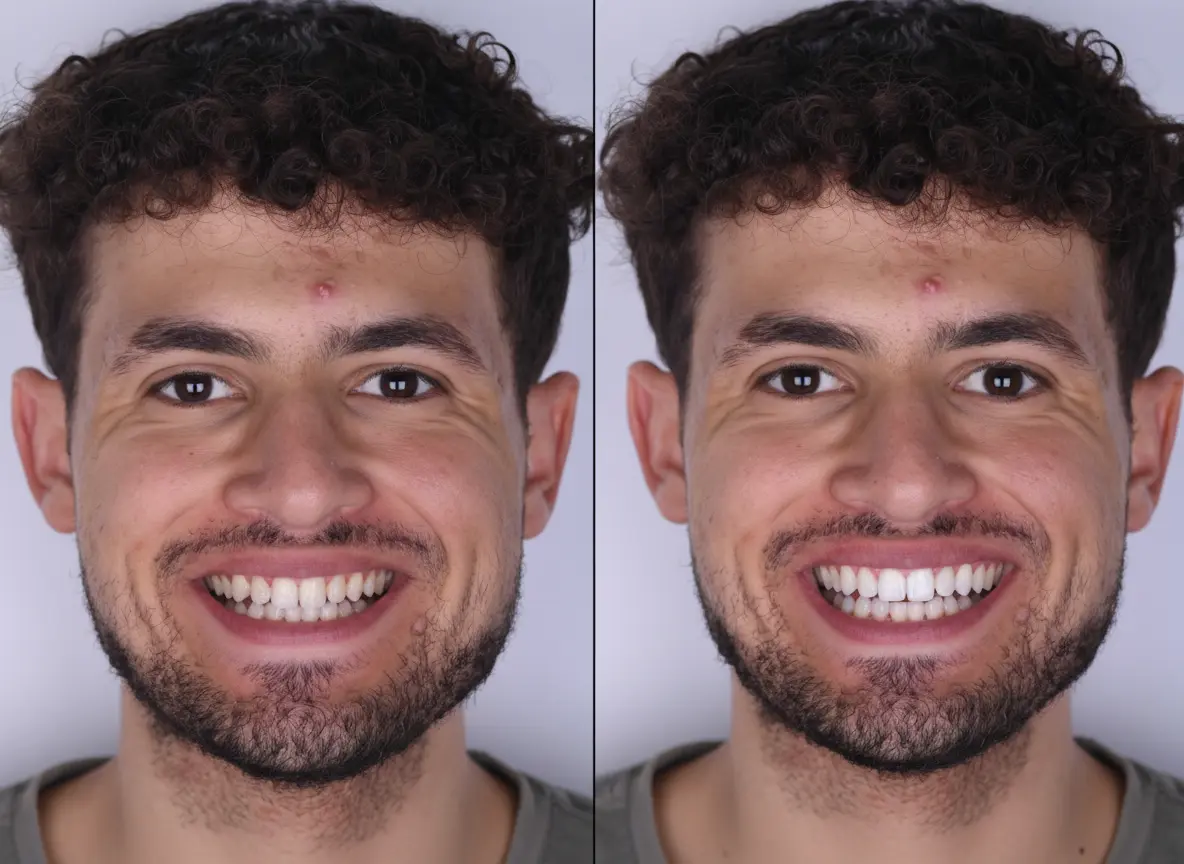
Clinical examination and diagnosis were performed, followed by a full-face photograph to capture the patient's smile. Using SmileFy's AI technology, a 2D smile simulation was created chairside. This interactive tool facilitated an engaging conversation about potential aesthetic improvements and motivated the patient to proceed with treatment.
Preparatory steps included scaling and calculus removal to establish healthy gingival conditions, followed by intraoral scanning using an advanced scanning system.
Interim Planning — 3D Digital Smile Design
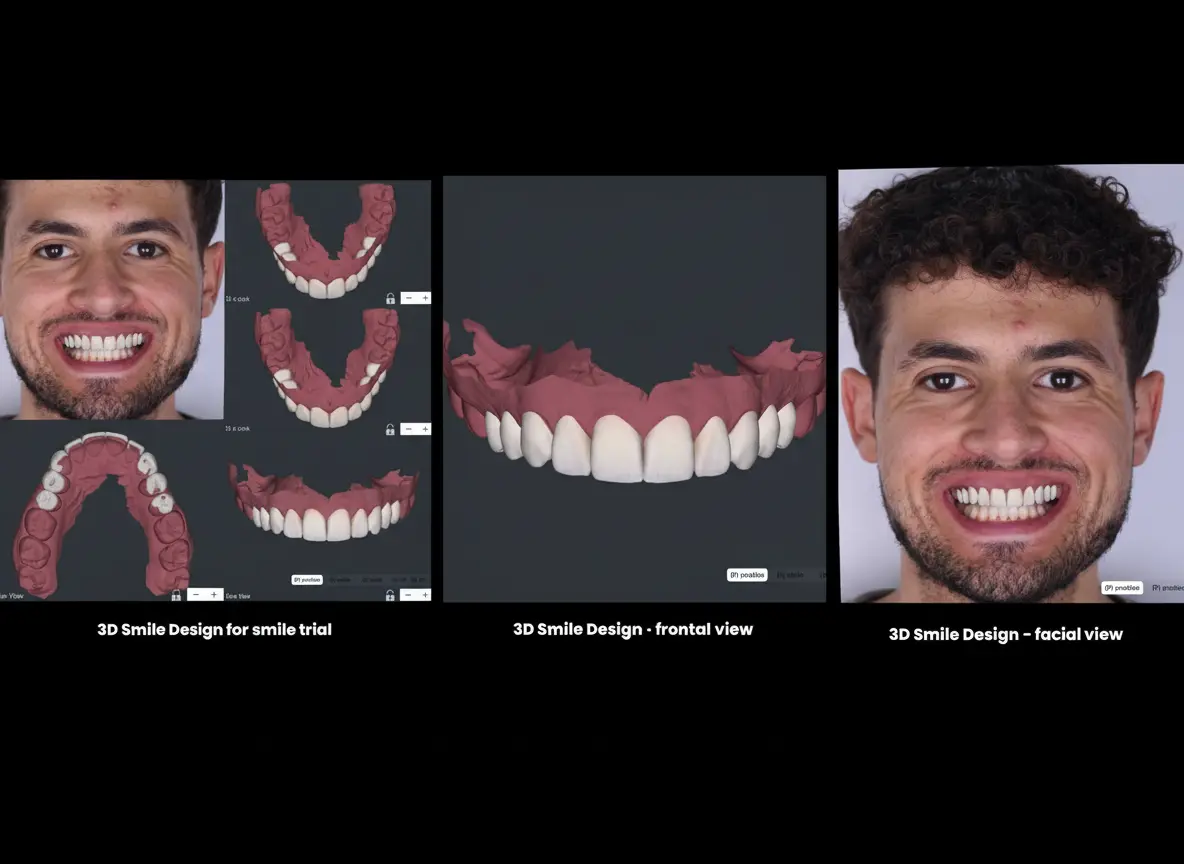
A facially driven approach was employed: the patient's upper intraoral scan (.stl format) was overlaid onto his facial photograph to create a personalized, facially driven smile design.
The AI-enhanced workflow included:
Tooth Shape Selection — Various tooth shapes were virtually applied to align with the patient's preferences, creating a cohesive design.
Interproximal Adjustments — AI tools like Liquify were employed to refine tooth spacing for an ideal arrangement.
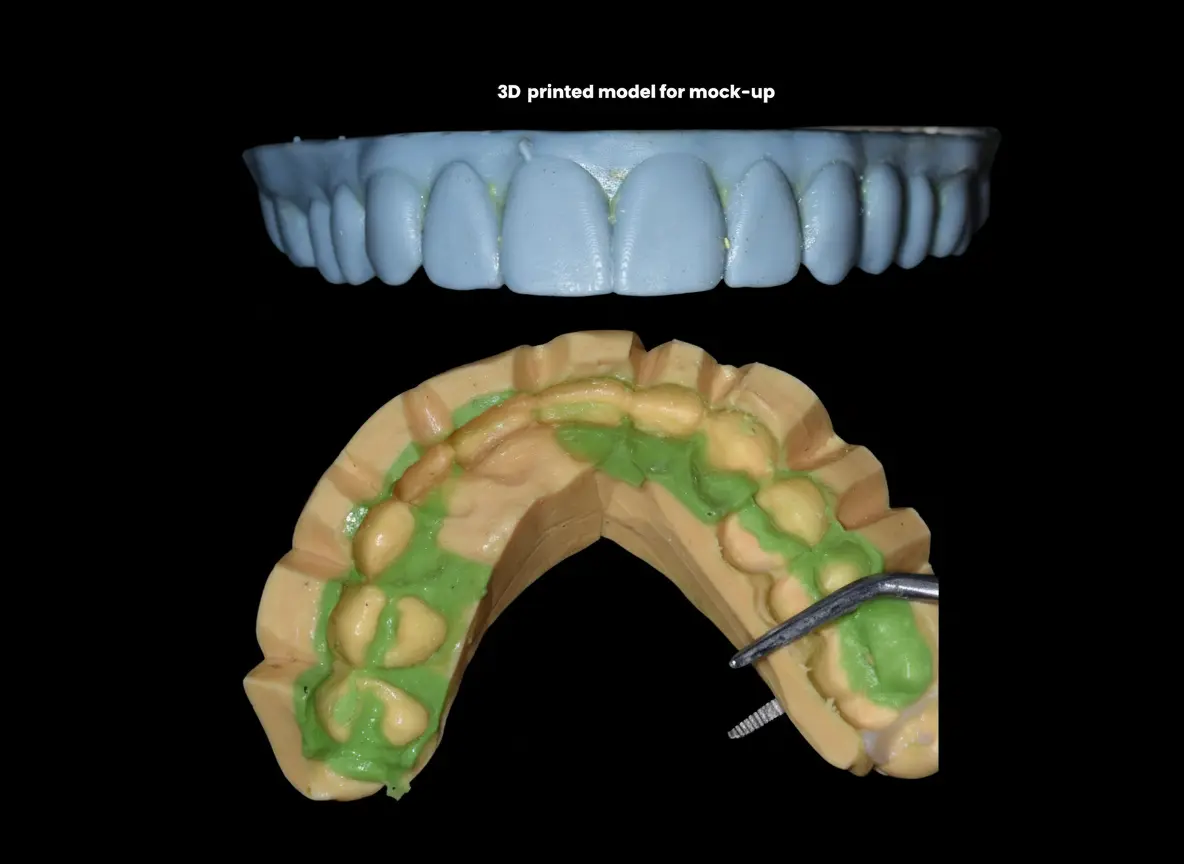
A digital wax-up was then prepared for 3D printing, paving the way for the next phase of treatment.
Second Appointment — Smile Test Drive and Mockup Evaluation
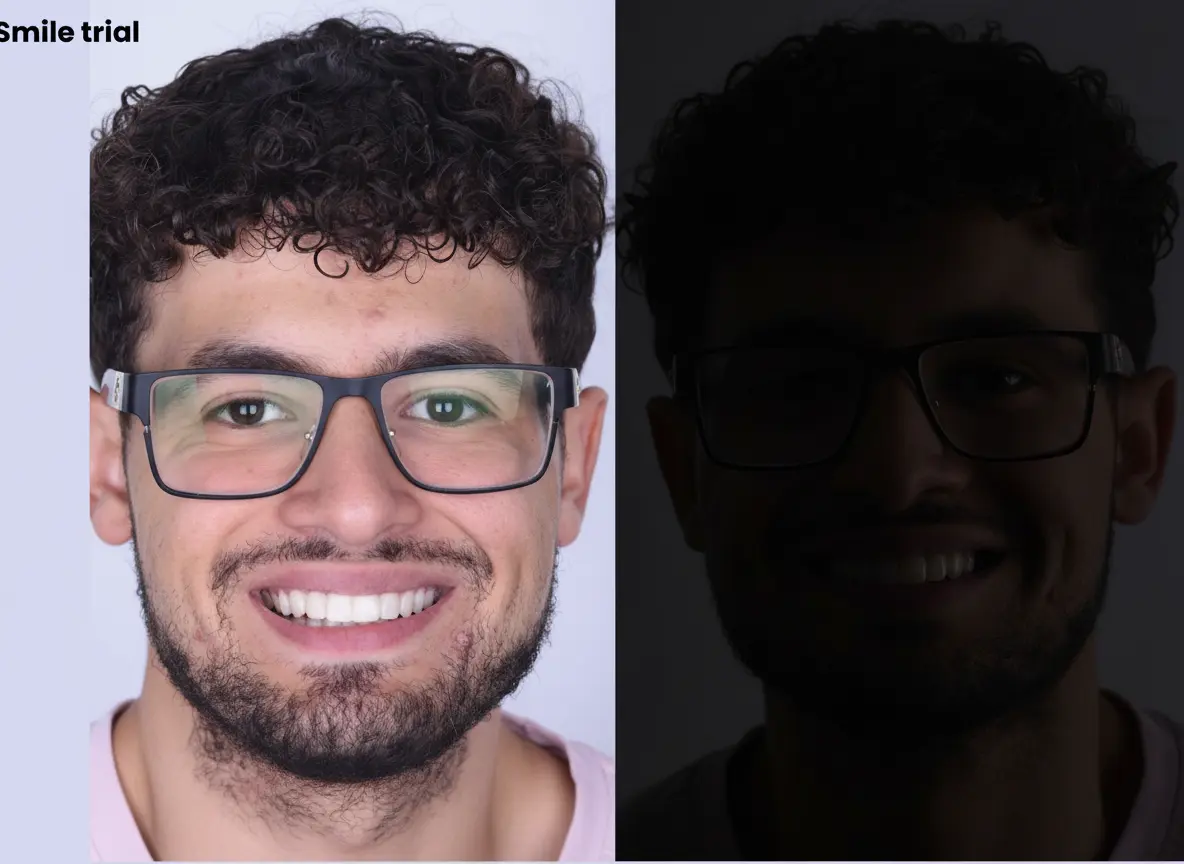
A silicone index filled with bisacrylic resin was applied to the patient's teeth to visualize the proposed smile. This step proved to be highly motivational for the patient, who expressed immense satisfaction, stating he no longer wished to see his previous dental condition.
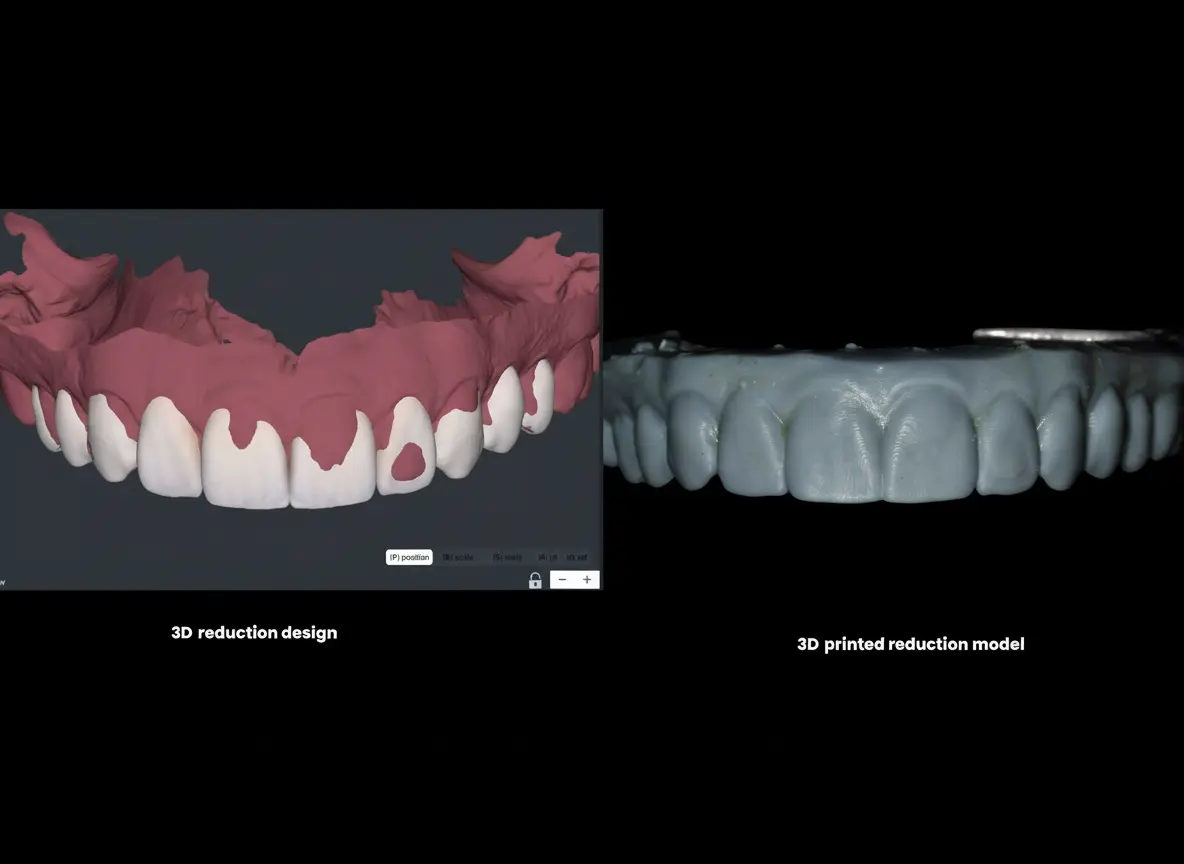
SmileFy tools were used to generate a functional mockup after checking the cross-section of each tooth to reach a facially driven designed veneers with minimally invasive reduction. The new position of the wax-up was exported and 3D printed to get the model.
Third Appointment — Guided Reduction and Final Scanning
A guided reduction test drive was performed using a silicone index and bisacrylic resin. Precise tooth modifications were made to achieve optimal results while preserving maximum tooth structure.
Post-reduction, the patient's intraoral structures were rescanned using an advanced intraoral scanner to ensure accuracy and alignment for the final veneer fabrication.
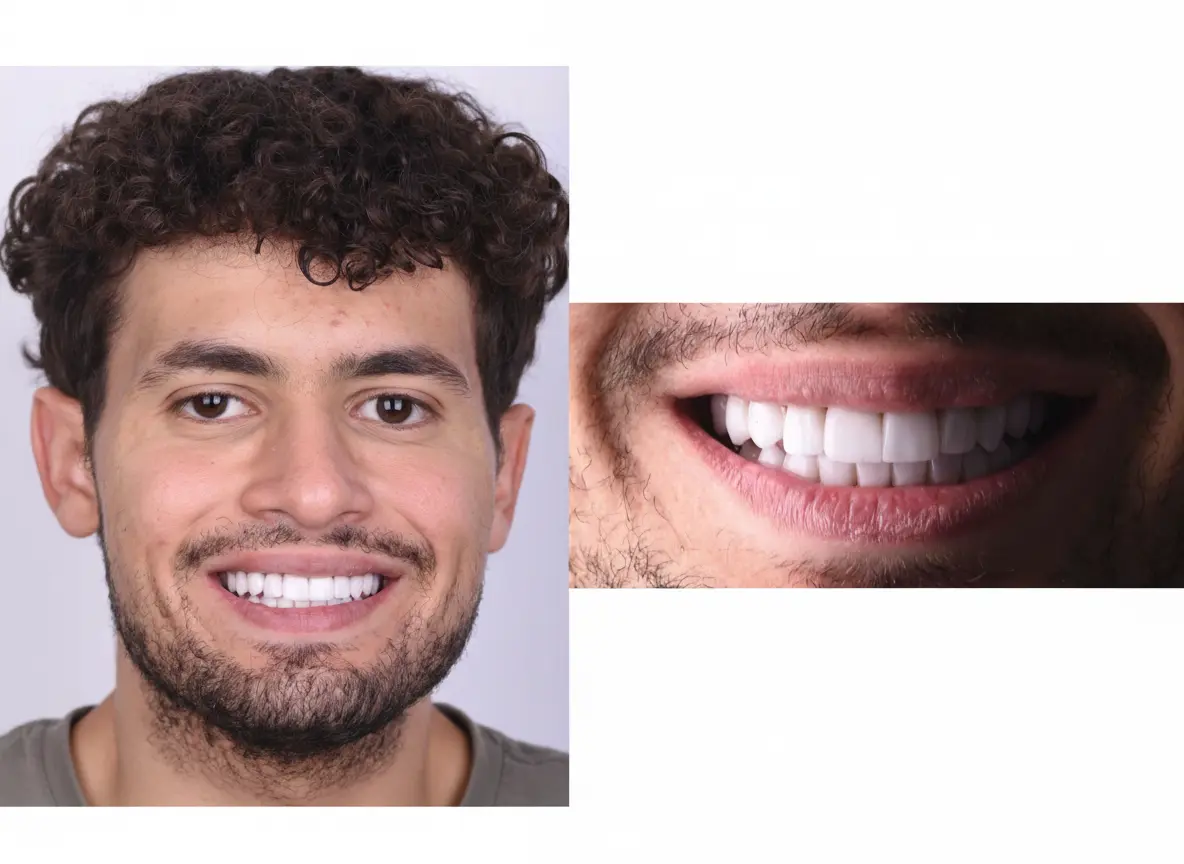
Final Outcome
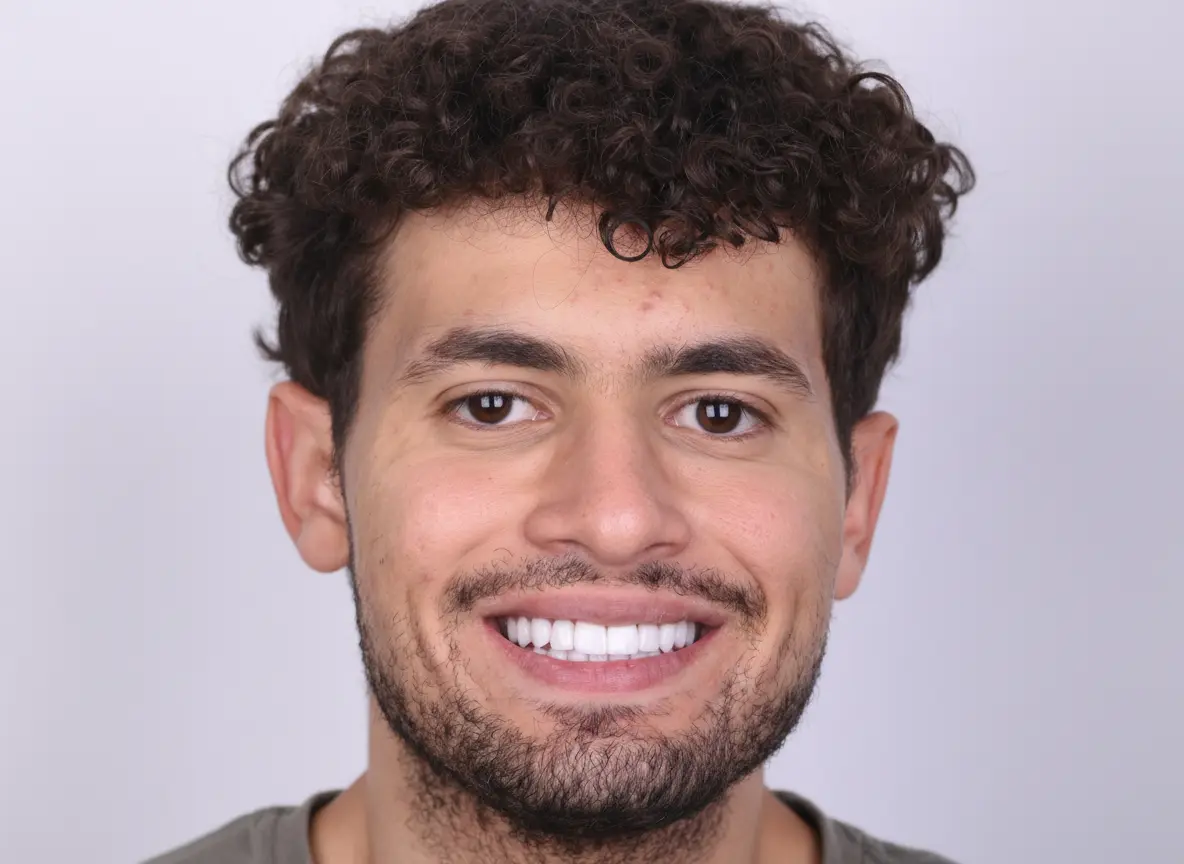
The treatment culminated in the delivery of porcelain veneers, resulting in exceptional patient satisfaction and a significant boost in confidence. The patient expressed overwhelming happiness with the outcome, marking the success of SmileFy's AI-powered smile design tools.
Key Takeaways
AI-driven diagnostics and planning — SmileFy's approach enhances diagnostics, treatment predictability, and patient education through interactive visualization.
Minimally invasive procedures — The software enables conservative tooth preparation, improving both clinical efficiency and patient outcomes.
Advanced communication tools — Visualization bridges the gap between patient expectations and clinical possibilities, boosting case acceptance.
Facially driven design — Overlaying intraoral scans onto facial photographs ensures restorations harmonize with overall facial aesthetics.
Smile test drive validation — Physical mockup trials allow patients to experience their future smile before any irreversible procedures, increasing confidence and satisfaction.
This case highlights the transformative role of AI in digital dentistry, offering a roadmap for integrating innovative tools into everyday practice.
About the Author
Dr. Abdelrahman Afia
AI & Digital Dentistry Instructor, MSc Periodontology — Egypt
Dr. Abdelrahman Afia is an AI and Digital Dentistry Instructor with a Master's degree in Periodontology, based in Egypt. His clinical work focuses on integrating SmileFy's AI-powered 3D smile design technology into restorative treatment planning, delivering patient-specific and minimally invasive solutions that achieve optimal clinical outcomes and heightened patient satisfaction.
Ready to Transform Your Practice?
See how SmileFy can help you achieve predictable, beautiful results for every patient.